July 10, 2026
Americas, Analysis, Briefs, Economics, Europe, Geopolitics, NEWS, Op-ed, OPINION, Society
Key Takeaways Serbia’s Economic Rise is Multifaceted — The country’s strong growth over the past decade is the result of political stability, proactive development policies, strategic infrastructure investment, successful attraction of foreign direct investment, and fiscal discipline. Tangible Improvements in Living Standards — Average net salaries have nearly tripled (from …
Read More »
July 10, 2026
Analysis, Briefs, Europe, Geopolitics, Military & Security, NEWS, OPINION, Russia-CIS, Society
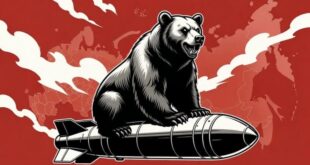
Rafael Loss with Katrine Westgaard Key Takeaways Russia is building up its arsenal of nuclear-capable long-range weapons and planning for victory in a confrontation with Europe. The Russian goal is to fracture NATO and disrupt the West’s deterrence strategy while extracting political concessions from Europe. Europe has not …
Read More »
July 5, 2026
Americas, Analysis, Briefs, Geopolitics, Middle East, Military & Security, NEWS, Op-ed, OPINION, Society
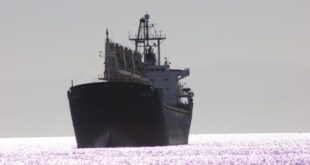
Dr. Pierre Thévenin Key Takeaways US-Iran Deal May Undermine Freedom of Navigation — The Islamabad Memorandum’s wording (especially Paragraph 5) could allow Iran to impose tolls or restrictions on shipping through the Strait of Hormuz after the 60-day period, violating the non-suspendable innocent passage regime under international law. Broader …
Read More »
July 5, 2026
Analysis, Asia Pacific, Briefs, Economics, Geopolitics, Military & Security, NEWS, Op-ed, OPINION, Society
Collins Chong Yew Keat Key Takeaways Strategic Deepening of Ties — The Nikkei Forum and related engagements underscore Malaysia’s growing role as a key partner for Japan in semiconductors, energy (LNG), AI, critical minerals, and supply-chain resilience. This moves the relationship beyond the traditional “Look East Policy” toward high-value …
Read More »
July 5, 2026
Analysis, Asia Pacific, Briefs, Geopolitics, Middle East, Military & Security, NEWS, Op-ed, OPINION, Society
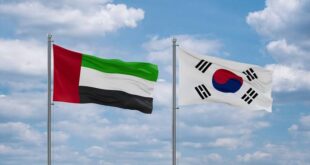
Dr. Ju Hyung Kim The United Arab Emirates’ move to revive the acquisition and local production of South Korea’s K9 self-propelled howitzer is more than a conventional arms deal. This reflects a broader shift in Gulf security thinking amid the ongoing Iranian war. For years, military modernization in …
Read More »
July 5, 2026
Asia Pacific, Briefs, Europe, Geopolitics, Middle East, Military & Security, NEWS, Op-ed, OPINION, Society
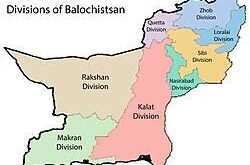
Hadi Elis For nearly eight decades, the conflict in Balochistan has been portrayed by Islamabad as a separatist insurgency threatening Pakistan’s territorial integrity. Yet for many Baloch nationalists, the struggle is not about separation from Pakistan—it is about liberation from what they regard as a historical occupation. Their …
Read More »
July 4, 2026
Americas, Analysis, Briefs, Economics, Europe, Geopolitics, Middle East, Military & Security, NEWS, OPINION, Society
Willy Fautre Saudi Arabia’s Yemen policy master, Riyadh’s ambassador Mohammed al-Jaber, believes in stick-and-carrot diplomacy—he shows the stick to Yemen’s dissenters and the carrot to Europe’s defense ministries. And it’s a contradiction that now runs straight through Europe’s own legal order. Al‑Jaber is no ordinary envoy. Since 2014 …
Read More »
July 4, 2026
Americas, Analysis, Asia Pacific, Briefs, Economics, Europe, Geopolitics, Middle East, Military & Security, NEWS, Op-ed, OPINION, Society
“The Russia–Ukraine War has now exceeded the duration of the First World War, yet Russia is short of achieving its original political objectives, and Ukraine, supported by NATO, hasn’t given up.” This prolonged contest of wills has morphed into a grinding, industrial-age war of attrition fought with twenty-first-century …
Read More »
July 4, 2026
Americas, Analysis, Briefs, Economics, Geopolitics, Military & Security, NEWS, OPINION, Society
Sana Khan This week, Washington faced a choice that it will face repeatedly until it finally makes it explicit. On Monday, the Trump administration demanded NATO increase defense spending. On Wednesday, Chinese military exercises around Taiwan escalated. On Friday, tensions spiked in the Middle East over Iranian oil …
Read More »


 Geostrategic Media Political Commentary, Analysis, Security, Defense