November 17, 2026
Analysis, Briefs, Cybersecurity, Economics, Geopolitics, Middle East, Military & Security, NEWS, Op-ed, OPINION, Society, Terrorism & Extremism
The transition to clean energy was once viewed primarily as an environmental and technological challenge. Competition for lithium, cobalt, nickel and rare earth elements has turned it into a geopolitical issue involving industrial, technological and military security. These minerals are essential to batteries, electric vehicles, wind turbines and …
Read More »
November 17, 2026
Americas, Analysis, Briefs, Cybersecurity, Economics, Europe, Geopolitics, Middle East, NEWS, Op-ed, OPINION, Society
Artificial intelligence is no longer merely a promising economic sector. It is becoming part of national power, strategic competition and national security. Countries that control advanced computing, data, digital infrastructure and the capacity to develop sophisticated models will have greater influence over their economies, media, defence capabilities and …
Read More »
November 17, 2026
Americas, Analysis, Briefs, Economics, Geopolitics, Middle East, Military & Security, NEWS, Op-ed, OPINION, Society
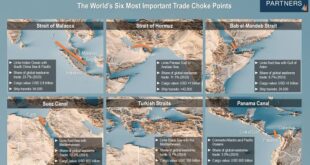
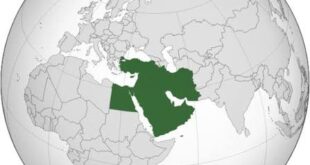
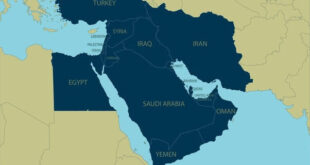
Recent developments have demonstrated that the Middle East cannot simply return to its pre-war arrangements once military operations stop. The consequences of confrontation have spread across Gulf security, international shipping, relations among regional powers, energy markets and economic confidence. Continued tensions around Hormuz and Bab al-Mandab, alongside multiple …
Read More »
November 17, 2026
Americas, Analysis, Asia Pacific, Briefs, Cybersecurity, Economics, Europe, Geopolitics, Middle East, Military & Security, NEWS, Op-ed, OPINION, Russia-CIS, Society, Terrorism & Extremism
The resumption of US-mediated negotiations between Russia and Ukraine has reopened a diplomatic channel, but it does not mean that the war is close to ending. The November talks in Abu Dhabi produced an understanding on a substantial prisoner exchange, yet the central disputes over territory, security guarantees …
Read More »
November 17, 2026
Analysis, Briefs, Geopolitics, Middle East, Military & Security, NEWS, Op-ed, OPINION, Society
The Middle East’s maritime corridors are no longer simply commercial routes through which oil tankers and cargo ships pass. They have become arenas where military calculations, economic interests and political leverage intersect. Continued tensions around the Strait of Hormuz and Bab al-Mandab expose the fragility of the system …
Read More »
November 16, 2026
Analysis, Briefs, Economics, Europe, Geopolitics, Middle East, NEWS, Op-ed, OPINION, Society
Eng. Saleem Al-Batayneh Jordan does not suffer from a shortage of investment opportunities so much as a failure to turn those opportunities into viable projects. The challenge is no longer convincing the world that the Kingdom enjoys political and security stability. It is persuading investors that doing business …
Read More »
November 14, 2026
Americas, Analysis, Asia Pacific, Briefs, Economics, Europe, Geopolitics, Middle East, Military & Security, NEWS, Op-ed, OPINION, Society
Key points The shift in international competition towards economics, technology and infrastructure. The use of investment, financing and trade to expand political influence. China’s infrastructure and connectivity model. The expanding international investment role of Gulf states. American competition over supply chains, technology and strategic resources. The risks of …
Read More »
November 14, 2026
Americas, Analysis, Briefs, Economics, Europe, Geopolitics, NEWS, Op-ed, OPINION, Society
Key points The gap between Europe’s economic strength and its military and strategic capabilities. The future of transatlantic relations and the American security commitment. The war in Ukraine and the redefinition of European security. Energy independence, defence industries and technological sovereignty. Domestic political divisions and their impact on …
Read More »
November 14, 2026
Americas, Analysis, Asia Pacific, Briefs, Economics, Europe, Geopolitics, Middle East, Military & Security, NEWS, Op-ed, OPINION, Society
Key points The geopolitical importance of the Bab el-Mandeb Strait, the Suez Canal and the Gulf of Aden. International competition over ports and military installations. The interconnected security interests of the Gulf, the Horn of Africa and the Mediterranean. The strategic roles of Ethiopia, Somalia, Djibouti, Eritrea and …
Read More »


 Geostrategic Media Political Commentary, Analysis, Security, Defense