November 18, 2026
Analysis, Briefs, Economics, Geopolitics, Middle East, Military & Security, NEWS, Op-ed, OPINION, Society
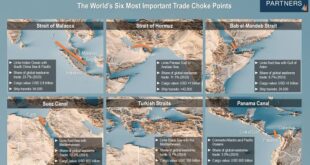
Key points Maritime security has become a central instrument of geopolitical competition. The Gulf conflict demonstrates the vulnerability of global energy markets. Military superiority cannot independently guarantee freedom of navigation. A sustainable settlement requires regional diplomacy and international guarantees. The Strait of Hormuz has become more than …
Read More »
November 18, 2026
Americas, Analysis, Asia Pacific, Briefs, Economics, Geopolitics, Middle East, Military & Security, NEWS, Op-ed, OPINION, Russia-CIS, Society, Terrorism & Extremism
By Leslie Shean The forthcoming meeting between Donald Trump, Xi Jinping and Vladimir Putin in Shenzhen could become one of the most consequential diplomatic encounters of 2026. Its significance, however, should not be measured by the number of agreements announced or the photographs released afterwards. It should be …
Read More »
November 18, 2026
Africa, Americas, Analysis, Asia Pacific, Briefs, Economics, Europe, Geopolitics, Middle East, Military & Security, NEWS, Op-ed, OPINION, Russia-CIS, Society
By Alexander Dougan The planned meeting between Donald Trump, Xi Jinping and Vladimir Putin in Shenzhen carries an uncomfortable message for the rest of the international community: the world’s most powerful countries increasingly expect to shape global affairs through direct negotiations, even when the consequences extend far beyond …
Read More »
November 18, 2026
Americas, Analysis, Briefs, Economics, Geopolitics, Middle East, Military & Security, NEWS, Op-ed, OPINION, Society
By James Whyatt The gathering of Donald Trump, Xi Jinping and Vladimir Putin in Shenzhen on 19 November is more than an extraordinary diplomatic photograph. It is a demonstration of how international politics is increasingly being conducted: through personal relationships between powerful leaders, transactional diplomacy and the pursuit …
Read More »
November 17, 2026
Analysis, Briefs, Cybersecurity, Economics, Geopolitics, Middle East, Military & Security, NEWS, Op-ed, OPINION, Society, Terrorism & Extremism
The transition to clean energy was once viewed primarily as an environmental and technological challenge. Competition for lithium, cobalt, nickel and rare earth elements has turned it into a geopolitical issue involving industrial, technological and military security. These minerals are essential to batteries, electric vehicles, wind turbines and …
Read More »
November 17, 2026
Americas, Analysis, Briefs, Cybersecurity, Economics, Europe, Geopolitics, Middle East, NEWS, Op-ed, OPINION, Society
Artificial intelligence is no longer merely a promising economic sector. It is becoming part of national power, strategic competition and national security. Countries that control advanced computing, data, digital infrastructure and the capacity to develop sophisticated models will have greater influence over their economies, media, defence capabilities and …
Read More »
November 17, 2026
Americas, Analysis, Briefs, Economics, Geopolitics, Middle East, Military & Security, NEWS, Op-ed, OPINION, Society
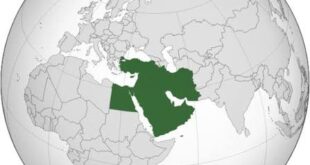
Recent developments have demonstrated that the Middle East cannot simply return to its pre-war arrangements once military operations stop. The consequences of confrontation have spread across Gulf security, international shipping, relations among regional powers, energy markets and economic confidence. Continued tensions around Hormuz and Bab al-Mandab, alongside multiple …
Read More »
November 17, 2026
Americas, Analysis, Asia Pacific, Briefs, Cybersecurity, Economics, Europe, Geopolitics, Middle East, Military & Security, NEWS, Op-ed, OPINION, Russia-CIS, Society, Terrorism & Extremism
The resumption of US-mediated negotiations between Russia and Ukraine has reopened a diplomatic channel, but it does not mean that the war is close to ending. The November talks in Abu Dhabi produced an understanding on a substantial prisoner exchange, yet the central disputes over territory, security guarantees …
Read More »
November 17, 2026
Analysis, Briefs, Geopolitics, Middle East, Military & Security, NEWS, Op-ed, OPINION, Society
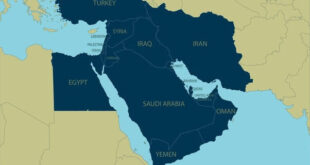
The Middle East’s maritime corridors are no longer simply commercial routes through which oil tankers and cargo ships pass. They have become arenas where military calculations, economic interests and political leverage intersect. Continued tensions around the Strait of Hormuz and Bab al-Mandab expose the fragility of the system …
Read More »


 Geostrategic Media Political Commentary, Analysis, Security, Defense