Geostrategic Media Political Commentary, Analysis, Security, Defense
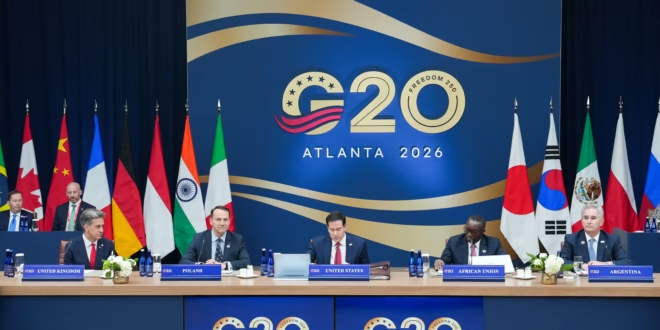

Strategic autonomy is not measured by the number of announced partnerships, but by the choices a state can sustain when its relationships come under pressure. A country may sign new trade agreements, buy equipment from different suppliers and host diplomatic initiatives, yet remain dependent on another power for intelligence, spare parts, ammunition, training and protection.
There are four practical questions. Can a government maintain an independent position during a crisis? Can alternative suppliers replace essential military capabilities? Does diplomatic mediation produce a commitment to implement and not merely an announcement? And can regional states manage their disputes without decisive intervention by an outside power?
Sustained evidence of progress in these areas would support a stronger case for strategic autonomy. Multipolarity requires a bigger change still: a durable distribution of military, economic and diplomatic capabilities among several actors. Until that happens, “diversification” remains the more accurate description: regional governments are spreading economic and diplomatic risk across several partners while continuing to rely on American military guarantees.
The future of the regional order will depend on whether its states can build credible independent capabilities, manage their rivalries, sustain independent foreign-policy decisions, and create regional mechanisms able to resolve disputes without relying exclusively on external powers.