Geostrategic Media Political Commentary, Analysis, Security, Defense
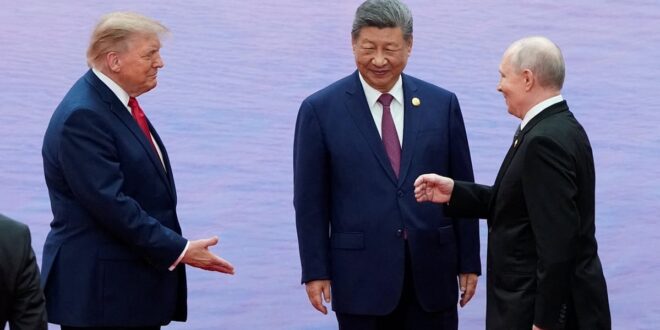

In March 2023 the Saudi-Iranian agreement was announced after talks hosted by China, preceded by diplomatic efforts involving Iraq and Oman. It showed that Beijing has growing access to regional decision-makers and that Riyadh is willing to use channels that bypass Washington. But facilitating an agreement is not the ability to guarantee its implementation, nor to provide what American security capabilities provide. Diplomatic mediation and enforcing a security arrangement are two different kinds of influence.
In September 2026 it was reported that Beijing privately urged Tehran to help restrain the Houthis after a Saudi appeal. The episode shows the value of China’s access to Tehran and its interest in protecting maritime routes and energy flows. It does not, on its own, prove that Beijing changed Iranian or Houthi behaviour. Influence is measured by its results, and without compliance or a tangible change in conduct the episode is better described as an attempt to influence than as evidence of control.
That is why China’s expanding role has not displaced American security predominance. Regional governments can welcome Chinese investment, trade and diplomatic engagement while continuing to rely on the United States for military capabilities Beijing has not offered to provide. Economic diversification widens political choices, but it does not automatically create an alternative security architecture.