 Geostrategic Media Political Commentary, Analysis, Security, Defense

Key points
-
Maritime security has become a central instrument of geopolitical competition.
-
The Gulf conflict demonstrates the vulnerability of global energy markets.
-
Military superiority cannot independently guarantee freedom of navigation.
-
A sustainable settlement requires regional diplomacy and international guarantees.
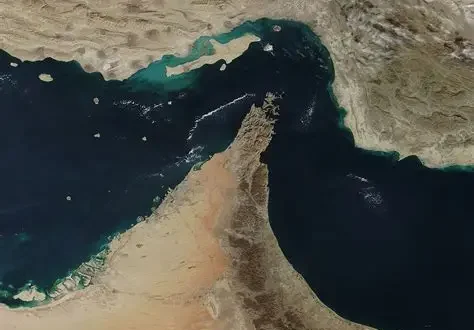
The Strait of Hormuz has become more than a strategic maritime passage. It is now a test of the international system’s ability to protect the foundations of global economic security. The conflict involving Iran, the United States and Israel has demonstrated how quickly a regional confrontation can disrupt international commerce, expose the vulnerabilities of energy-dependent economies and challenge the credibility of established security arrangements.
Before the conflict, approximately one-fifth of global oil supplies passed through this narrow waterway. Its disruption has consequently affected not only Gulf producers and Asian energy consumers but also European markets, international shipping companies and governments already struggling with economic uncertainty. The crisis has exposed a fundamental weakness in the international economy: strategic dependence on a limited number of maritime corridors creates vulnerabilities that military deterrence alone cannot eliminate.
Washington faces a difficult strategic calculation. Maintaining a naval presence and protecting commercial shipping may prevent further deterioration, but military pressure cannot resolve the political disagreements that sustain the confrontation. Tehran, meanwhile, has demonstrated that geography can provide strategic leverage even when a state faces overwhelming conventional military superiority. This does not mean that maritime coercion is sustainable or legitimate. It means that military power and geographic position interact in ways that policymakers cannot ignore.
The Gulf states have the most immediate interest in preventing the crisis from becoming permanent. Their economic transformation programmes depend on predictable trade, foreign investment, tourism, logistics and reliable energy infrastructure. A prolonged confrontation would undermine these ambitions while increasing the risks facing ports, airports, industrial facilities and maritime routes. The security of the Gulf should therefore not be reduced to the military relationship between Washington and Tehran.
The international community needs a broader maritime security framework that combines naval coordination, diplomatic communication, crisis-management mechanisms and credible guarantees of commercial navigation. Gulf governments should have a central role in designing such arrangements rather than merely responding to decisions made by external powers.
The lesson of Hormuz is ultimately straightforward: control of the sea can create leverage, but it cannot produce a durable political order. The future of Gulf security will depend less on who can impose the greatest immediate military cost and more on who can build an agreement that makes renewed confrontation strategically unnecessary.