Geostrategic Media Political Commentary, Analysis, Security, Defense


Key points
-
American political division creates uncertainty well beyond the transatlantic alliance.
-
The Indo-Pacific, Red Sea and Sahel are becoming increasingly interconnected strategic theatres.
-
Russia, China, Türkiye and Gulf states are expanding their diplomatic and economic roles.
-
Regional powers will seek greater autonomy rather than exclusive dependence on Washington.
The world does not wait for Washington
While Washington debates the meaning of its midterm elections, the rest of the world continues to rearrange its strategic relationships. The American political contest matters enormously, but it is not the only force shaping international affairs. From the South China Sea to the Red Sea, from the Sahel to Latin America, governments are adjusting to a world in which American attention is powerful but increasingly contested.
In the Indo-Pacific, China’s maritime activities around Taiwan are testing the distinction between routine enforcement and strategic coercion. The challenge for regional governments is to preserve deterrence without creating an escalation that could disrupt global trade. Japan, Australia, South Korea and the Philippines will have to balance their security relationships with Washington against their economic exposure to China.
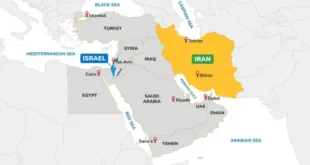
The Red Sea and the Persian Gulf demonstrate how regional conflict can become a global economic problem. Shipping disruptions, attacks on commercial vessels and uncertainty around the Strait of Hormuz affect energy markets, insurance costs and supply chains far beyond the Middle East. The latest maritime incidents near Qatar and in the Gulf underline the vulnerability of international commerce to regional instability.
In Africa, the Sahel remains a difficult test of international security policy. Weak governance, insurgencies and the withdrawal or reconfiguration of foreign security partnerships have created space for new actors. Russia has expanded its military role in parts of the region, while China continues to build economic and infrastructure relationships. Gulf states and Türkiye also seek diplomatic and commercial influence. Yet external partnerships cannot substitute for legitimate institutions, effective border management and local political settlements.
Latin America will face its own calculations over trade, migration, sanctions and relations with Washington. Governments in the region may seek to diversify economic relationships without provoking unnecessary confrontation with their largest northern neighbour.
The emerging international order is not simply multipolar. It is increasingly transactional, fragmented and regionalised. States are building overlapping partnerships rather than joining permanent camps. That may create diplomatic flexibility, but it also makes crises harder to manage.
America remains a central power. The question is whether it can remain a consistent one. The midterms have made that question more urgent, but the answer will be shaped by developments far beyond the American capital.