Geostrategic Media Political Commentary, Analysis, Security, Defense
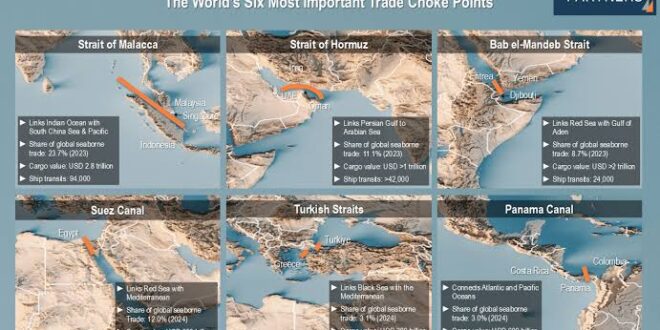

Most people will never see the Strait of Hormuz, but they feel it. Iran’s blockade of the strait has cut flows of oil, gas and fertiliser and sent prices soaring. That means higher fuel for commuters, higher food costs, and pressure on farmers who need fertiliser.
A war fought at sea lanes turns a regional conflict into a global bill. Importers in Asia and Europe have no say in the dispute and no way to opt out. Even as Trump said a deal was near, attacks on commercial vessels in and around the strait continued.
The lesson is that energy security cannot rest on one narrow waterway. Governments should build reserves, diversify supply routes and treat freedom of navigation as a shared interest, not just an American one. Markets will keep pricing in the risk until a durable settlement reopens the strait on terms everyone can verify.
The other side: Some argue the pressure of blockade and counter-blockade is what forces Iran to the table, and that the price spike is the cost of preventing a nuclear Iran.