November 13, 2026
Americas, Analysis, Asia Pacific, Briefs, Economics, Europe, Geopolitics, Military & Security, NEWS, Op-ed, OPINION, Society
Key points The midterm election results have renewed debate over the balance of power between the White House and Congress. Allies continue to view the United States as indispensable, but are increasingly concerned about the continuity of its policies. The Middle East and Europe need to engage with …
Read More »
November 13, 2026
Americas, Analysis, Briefs, Economics, Europe, Geopolitics, Middle East, Military & Security, NEWS, Op-ed, OPINION, Russia-CIS, Society
Key points Recent American diplomatic initiatives have revived the prospect of negotiations between Moscow and Kyiv. Disagreements over territory, security guarantees and Europe’s future role remain fundamental obstacles. A ceasefire would not necessarily constitute a sustainable peace settlement. Successful negotiations require verifiable security arrangements rather than a temporary …
Read More »
November 13, 2026
Americas, Analysis, Briefs, Economics, Geopolitics, Middle East, Military & Security, NEWS, Op-ed, OPINION, Society
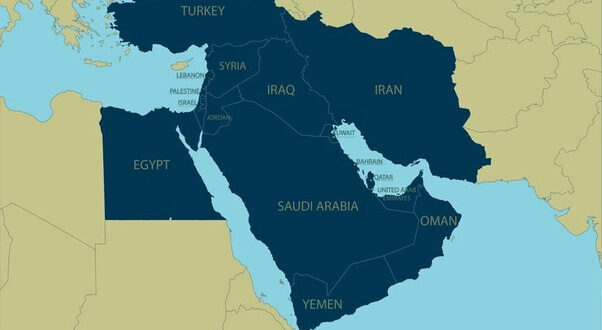
Key points Continuing tensions between Washington and Tehran place Gulf security and maritime routes at the centre of international calculations. Threats of renewed military action do not eliminate the need for a political settlement. Energy security, trade and global supply chains are directly affected by regional escalation. Gulf …
Read More »
November 13, 2026
Americas, Analysis, Briefs, Cybersecurity, Economics, Geopolitics, Middle East, Military & Security, NEWS, Op-ed, OPINION, Society
Key points US-China competition is moving beyond conventional trade into critical minerals, semiconductors and digital infrastructure. Control over supply chains has become a national security priority. International cooperation on minerals and technology reflects Washington’s efforts to reduce dependence on China. Arab countries have opportunities in energy, minerals, ports …
Read More »
November 13, 2026
Analysis, Briefs, Economics, Geopolitics, Middle East, Military & Security, NEWS, Op-ed, OPINION, Society
Key points COP31 in Antalya takes place amid military and economic crises competing for governments’ attention. The climate-financing gap remains one of the greatest obstacles facing developing countries. The transition to clean electricity requires investment in grids, infrastructure and technology. Wars create direct environmental damage while weakening the …
Read More »
November 8, 2026
Americas, Analysis, Briefs, Economics, Geopolitics, Middle East, NEWS, Op-ed, OPINION, Society
By Engineer Saleem Al-Batayneh The American midterm elections of November 4 delivered a political earthquake to Washington. With Democrats taking control of both chambers of Congress, the result became a direct referendum on President Donald Trump’s leadership, particularly his handling of the economy, the war, government spending and …
Read More »
November 8, 2026
Americas, Analysis, Briefs, Cybersecurity, Economics, Europe, Geopolitics, Middle East, Military & Security, NEWS, Op-ed, OPINION, Society
The next major transformation in warfare may not be defined by the introduction of another fighter aircraft, missile system or surveillance platform. It may instead be determined by the growing ability of machines to identify, select and engage targets with diminishing human intervention. Artificial intelligence is already transforming …
Read More »
November 8, 2026
Americas, Analysis, Briefs, Economics, Geopolitics, Middle East, Military & Security, NEWS, Op-ed, OPINION, Society
The end of the United Nations peacekeeping mission in Western Sahara marks a turning point in one of North Africa’s longest-running territorial disputes. After more than three decades of international involvement, the termination of MINURSO raises a fundamental question: what happens when an international mechanism designed to …
Read More »
November 8, 2026
Analysis, Briefs, Europe, Geopolitics, Military & Security, NEWS, Op-ed, OPINION, Russia-CIS, Society
Angela Smith The prospect of renewed negotiations between Russia and Ukraine presents an important diplomatic opportunity, but it also exposes the fundamental difficulty of ending a war in which the parties continue to disagree over territory, sovereignty and the future European security architecture. The planned United States-mediated trilateral …
Read More »


 Geostrategic Media Political Commentary, Analysis, Security, Defense