Geostrategic Media Political Commentary, Analysis, Security, Defense

Key points
-
The American election changes the political environment, not the underlying strategic competition.
-
Taiwan remains the most dangerous test of deterrence.
-
Trade, artificial intelligence and critical minerals will remain contested.
-
Beijing’s diplomatic opportunities are real, but so are the limits of its influence.
Beijing’s opportunity is also its dilemma
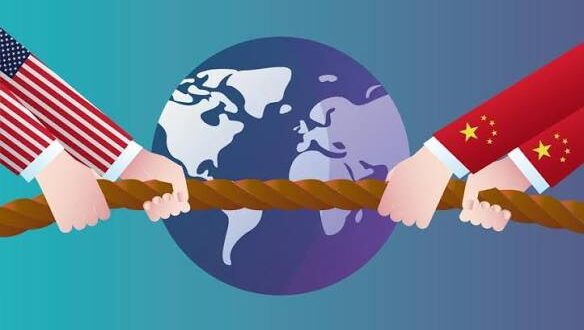
China has watched America’s midterm elections with the attention of a power that understands the value of political distraction. A divided Washington may offer Beijing opportunities to negotiate, delay, test and shape the international agenda. But it would be a mistake to confuse American domestic division with strategic surrender.
Competition between the two powers is now embedded in technology, finance, military planning and the architecture of global supply chains. The election does not erase bipartisan suspicion of China’s ambitions. Semiconductors, artificial intelligence, critical minerals and maritime security will remain contested regardless of which party controls Congress.
Taiwan is the most immediate danger. China’s coast guard activity around the island has raised concern in Taipei that Beijing may be rehearsing forms of maritime pressure short of a conventional invasion. Such operations complicate deterrence because they blur the boundary between law enforcement, coercion and military preparation.
A divided American government could make crisis communication more difficult. Beijing may wonder whether Washington can respond consistently; Taipei may worry that political disagreement will weaken the clarity of American support. Japan, South Korea, Australia and the Philippines will draw their own conclusions about the reliability of regional security arrangements.
Trade presents a different challenge. Trump may seek a headline-grabbing agreement with Xi Jinping, while Congress scrutinises concessions on technology, market access and strategic industries. A deal signed by the executive may face political resistance at home. Beijing therefore has to negotiate not merely with the president, but with an American political system that can obstruct implementation.
China’s diplomatic ambitions in the Middle East and elsewhere also face limits. Its commercial weight is considerable, but influence requires security relationships, political trust and the willingness to bear costs. Beijing may benefit from American inconsistency, yet it cannot automatically replace American power.
The strategic opportunity for China is not to wait for America to collapse. It is to demonstrate that it can provide predictable partnerships while Washington argues with itself. Whether Beijing can do so will depend less on American elections than on its own ability to reassure neighbours and manage its disputes without turning every disagreement into a test of strength.