Geostrategic Media Political Commentary, Analysis, Security, Defense

Key points
-
The Iran war has become both a regional conflict and a domestic political liability in the United States.
-
Congressional scrutiny may increase, but the White House retains military authority.
-
Gulf diplomacy, energy security and regional de-escalation will become more important.
-
China may seek a diplomatic role, although its leverage over the parties is limited.
The Middle East must learn to read a divided Washington
The Middle East has long treated Washington as the region’s indispensable external power. The American midterms have not changed that reality, but they have made it less straightforward. Donald Trump remains president and commander-in-chief, yet Democrats now control Congress, giving the opposition greater influence over funding, oversight and the political debate surrounding the war with Iran.
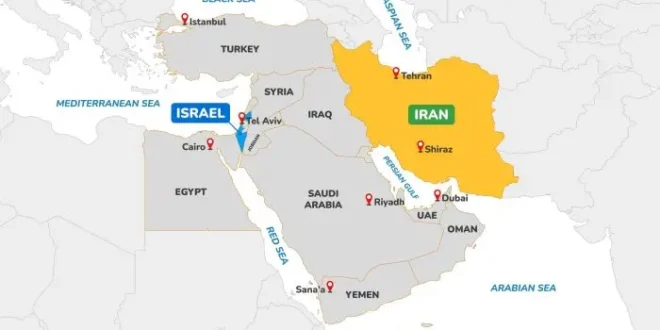
That matters because the conflict is no longer confined to military calculations. It has entered the American cost-of-living debate, disrupted energy markets and become a test of presidential judgement. The United States and Iran remain far apart in negotiations, with Qatar continuing to mediate and the Strait of Hormuz at the centre of the dispute. Recent attacks on shipping underline how quickly a regional confrontation can become a global economic problem.
Tehran may interpret the election as evidence that American voters are weary of war. But political pressure in Washington does not guarantee restraint. Trump may still use military force, while congressional Democrats may seek to limit its duration, cost or legal basis. The result is a paradox: the administration may have less political room at home even as it retains substantial operational freedom abroad.
For Israel, the implications concern the political sustainability of American military support and the scrutiny of operations across the region. For Saudi Arabia, the UAE and Qatar, the priority is to prevent the conflict from destroying energy infrastructure, maritime security and the fragile architecture of regional diplomacy. Jordan, Egypt and Iraq have an equally direct interest in preventing a wider confrontation from spilling across borders.
China may offer itself as a diplomatic actor, but mediation requires more than commercial influence. Beijing has relationships with Tehran and the Gulf monarchies, yet it must also persuade Washington and accept the political costs of pressuring Iran. Qatar’s role remains more immediate.
The region’s lesson is clear. American power remains central, but American policy is no longer a single, predictable instrument. Middle Eastern capitals will need to maintain channels to the White House, Congress and one another. In a divided Washington, diplomacy is not a substitute for strategy; it is the means of surviving its uncertainty.