Geostrategic Media Political Commentary, Analysis, Security, Defense

Key points
-
Democratic control of Congress constrains Trump’s domestic agenda and increases oversight.
-
Foreign policy remains largely in presidential hands, but budgets and political legitimacy matter.
-
Allies must distinguish enduring American interests from the priorities of one administration.
The republic’s foreign-policy problem
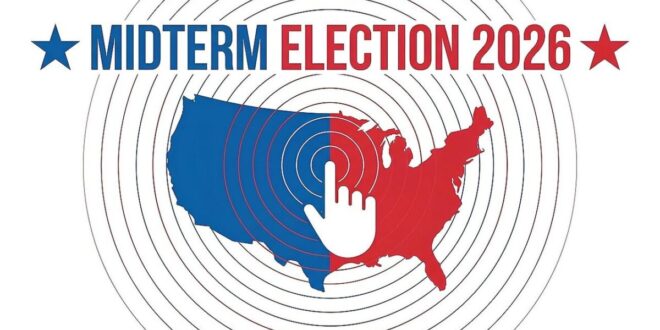
America’s midterm elections have delivered an awkward message to Washington and an important one to the world: the president may command the White House, but he no longer commands Congress. Democrats have captured both chambers, turning the final two years of Donald Trump’s presidency into an experiment in divided government. The result does not make America weaker overnight. It makes American power more difficult to direct.
The distinction matters. Presidents retain considerable authority over diplomacy, military operations and the deployment of executive power. Congress, however, controls public money, scrutinises the administration and can obstruct legislation and appointments. A foreign policy that can be announced in the Oval Office may still struggle to survive a budget negotiation on Capitol Hill.
For allies, this creates a problem of interpretation. A security assurance from Washington may remain valid, but its political durability is harder to assess. European governments will wonder whether American support for Ukraine can outlast partisan conflict. Gulf capitals will ask whether security commitments will survive another argument over Iran. Asian allies will scrutinise every signal concerning Taiwan.
For America’s competitors, division may appear to be an invitation. Russia may seek to exploit disagreements over Ukraine; China may test the consistency of American policy in the Indo-Pacific. Yet neither should mistake congressional opposition for national retreat. Competition with China, the defence of NATO and the protection of American interests remain deeply embedded in Washington’s institutions.
The more serious risk is not that America disappears from international affairs. It is that its partners begin to plan around the possibility that American commitments can change with the political weather. A superpower can remain militarily dominant while becoming diplomatically less predictable.
The midterms have not ended American leadership. They have made its exercise more complicated. In the years ahead, the world may have to learn to negotiate not with one Washington, but with several.