 Geostrategic Media Political Commentary, Analysis, Security, Defense
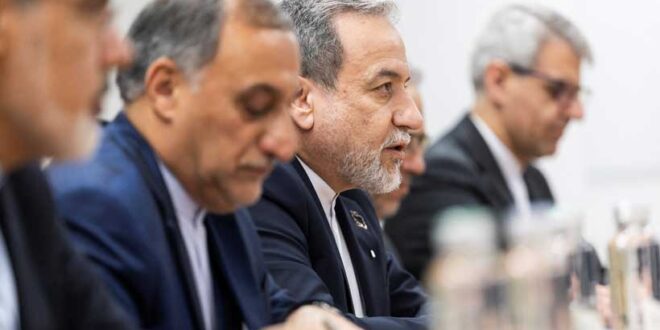

Iran is currently examining a new proposal from the U. S. aimed at ending the war in the Gulf, as both nations reportedly approach an agreement. This agreement would consist of a one-page memorandum that sets aside complex matters, such as Iran’s nuclear program, for later resolution. An Iranian foreign ministry spokesperson mentioned that Iran would share its response soon through Pakistan, which has facilitated communication between the two sides.
U. S. President Donald Trump indicated there might be a chance to end the war if Iran complies with established terms, although he did not provide specific details about the proposal. Reports suggest that the memorandum would include provisions to unblock shipping in the Strait of Hormuz, lift U. S. sanctions on Iran, and discuss limitations on Iran’s nuclear activities. There is optimism from some parties involved in the negotiations, with claims that an agreement is close.
The White House, State Department, and Iranian officials did not respond immediately to inquiries about the situation. Israel, a key ally of the U. S., has not commented on the potential agreement and seems to be preparing for increased conflict.
The news about a possible agreement led to a drop in global oil prices and a rise in global share prices as investors reacted hopefully to the prospect of peace. Trump mentioned that if Iran agrees to the proposed terms, it could mark the end of the ongoing conflict; otherwise, he warned of a significant escalation in military action.
Details of the negotiations suggest that key U. S. figures are leading the discussions, and if an initial agreement is reached, there would be 30 days to negotiate a comprehensive deal. This comprehensive agreement would involve lifting sanctions, addressing blockades, and placing restrictions on Iran’s nuclear program, especially concerning uranium enrichment.
While the proposed memorandum would not require immediate concessions, it lacks mention of several demands from the U. S. that Iran has previously denied, such as limitations on its missile capabilities and support for regional militias. There is also no specific reference to Iran’s existing enriched uranium stockpile.
Iranian lawmakers have called the proposed deal more of a wish-list from the U. S., indicating skepticism about the U. S. gaining anything useful from the conflict without direct negotiations. Iran’s foreign minister emphasized the need for a fair agreement, and some sources have reported objections to the U. S. proposal.
Additionally, Trump had recently paused a naval mission aimed at reopening the blocked Strait of Hormuz due to progress in talks, although the mission had not achieved significant results, leading to heightened conflict in the region, including attacks on vessels.