November 18, 2026
Africa, Americas, Analysis, Asia Pacific, Briefs, Economics, Europe, Geopolitics, Middle East, Military & Security, NEWS, Op-ed, OPINION, Russia-CIS, Society
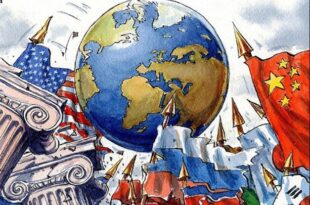
Key points Traditional international institutions are struggling to respond to overlapping crises. Regional powers are acquiring greater diplomatic and security responsibilities. Middle powers can create practical coalitions across geopolitical divisions. Multipolarity requires institutions and rules, not simply additional centres of power. The international system is becoming more …
Read More »
November 18, 2026
Americas, Analysis, Asia Pacific, Briefs, Economics, Europe, Geopolitics, Middle East, NEWS, Op-ed, OPINION, Russia-CIS, Society
Key points The Gulf crisis and the war in Ukraine have exposed the strategic risks of energy dependence. Renewable energy is increasingly a national security priority. Critical minerals and electricity infrastructure are becoming geopolitical assets. Climate diplomacy must reconcile the interests of producers, consumers and developing economies. …
Read More »
November 18, 2026
Americas, Analysis, Asia Pacific, Briefs, Economics, Europe, Geopolitics, Middle East, Military & Security, NEWS, Op-ed, OPINION, Russia-CIS, Society
Key points The Trump–Xi meetings demonstrate the importance of managing strategic competition. Artificial intelligence, semiconductors and critical minerals are central to the rivalry. Economic interdependence does not eliminate geopolitical confrontation. Middle powers need diversified economic and technological partnerships. The most consequential relationship in international politics is increasingly defined …
Read More »
November 18, 2026
Analysis, Briefs, Economics, Europe, Geopolitics, Middle East, Military & Security, NEWS, Op-ed, OPINION, Russia-CIS, Society
Key points Renewed US-mediated negotiations create an opportunity but not a guarantee of peace. European security cannot be negotiated without meaningful European participation. Ukraine requires credible guarantees, not merely temporary assurances. A sustainable settlement must address sovereignty, deterrence and post-war reconstruction. The search for a negotiated settlement …
Read More »
November 18, 2026
Analysis, Briefs, Economics, Geopolitics, Middle East, Military & Security, NEWS, Op-ed, OPINION, Society
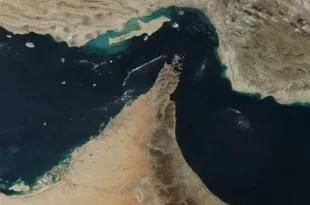
Key points Maritime security has become a central instrument of geopolitical competition. The Gulf conflict demonstrates the vulnerability of global energy markets. Military superiority cannot independently guarantee freedom of navigation. A sustainable settlement requires regional diplomacy and international guarantees. The Strait of Hormuz has become more than …
Read More »
November 18, 2026
Americas, Analysis, Asia Pacific, Briefs, Economics, Geopolitics, Middle East, Military & Security, NEWS, Op-ed, OPINION, Russia-CIS, Society, Terrorism & Extremism
By Leslie Shean The forthcoming meeting between Donald Trump, Xi Jinping and Vladimir Putin in Shenzhen could become one of the most consequential diplomatic encounters of 2026. Its significance, however, should not be measured by the number of agreements announced or the photographs released afterwards. It should be …
Read More »
November 18, 2026
Africa, Americas, Analysis, Asia Pacific, Briefs, Economics, Europe, Geopolitics, Middle East, Military & Security, NEWS, Op-ed, OPINION, Russia-CIS, Society
By Alexander Dougan The planned meeting between Donald Trump, Xi Jinping and Vladimir Putin in Shenzhen carries an uncomfortable message for the rest of the international community: the world’s most powerful countries increasingly expect to shape global affairs through direct negotiations, even when the consequences extend far beyond …
Read More »
November 18, 2026
Americas, Analysis, Briefs, Economics, Geopolitics, Middle East, Military & Security, NEWS, Op-ed, OPINION, Society
By James Whyatt The gathering of Donald Trump, Xi Jinping and Vladimir Putin in Shenzhen on 19 November is more than an extraordinary diplomatic photograph. It is a demonstration of how international politics is increasingly being conducted: through personal relationships between powerful leaders, transactional diplomacy and the pursuit …
Read More »
November 17, 2026
Analysis, Briefs, Cybersecurity, Economics, Geopolitics, Middle East, Military & Security, NEWS, Op-ed, OPINION, Society, Terrorism & Extremism
The transition to clean energy was once viewed primarily as an environmental and technological challenge. Competition for lithium, cobalt, nickel and rare earth elements has turned it into a geopolitical issue involving industrial, technological and military security. These minerals are essential to batteries, electric vehicles, wind turbines and …
Read More »


 Geostrategic Media Political Commentary, Analysis, Security, Defense