Geostrategic Media Political Commentary, Analysis, Security, Defense
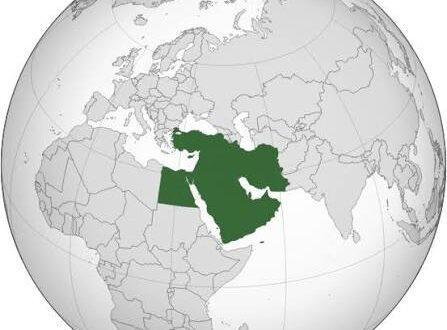

One quiet story of this war is who has been mediating. When Iran and the US needed a ceasefire, Pakistan worked to bridge differences and prepared to host new rounds of talks in Islamabad. That would have been unthinkable a few years ago.
Regional powers are building their own channels because they bear the costs. The war killed at least 3,000 people in Iran, more than 2,290 in Lebanon, and more than a dozen in Gulf Arab states in its first weeks alone. Lebanon remains a live front, and Israel’s army chief warned that 2026 was likely to be another year of fighting on all fronts.
Now Washington itself may pull back. Democratic control of Congress opens a debate on military aid to Israel, which received $3.8 billion in the last fiscal year, more than any other country, and where nearly half of House Democrats voted this summer to cut it off. Whether that debate changes policy or only rhetoric remains to be seen.
The takeaway for capitals from Riyadh to Islamabad is the same: build diplomacy that survives American elections.
The other side: Critics warn that reduced US engagement would leave a vacuum that Iran or Russia would fill, and that mediators like Pakistan cannot guarantee anything without American weight behind them.