Geostrategic Media Political Commentary, Analysis, Security, Defense
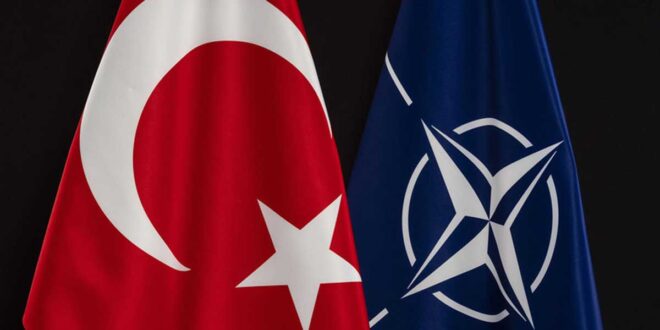

Turkey has sought to reassure allies that the United States remains committed to NATO despite growing concerns over Washington’s future role in the alliance. Ahead of the NATO summit in Ankara, Turkish Defence Minister Yasar Guler said the alliance is adapting to an evolving security environment rather than facing an existential crisis, dismissing suggestions that the United States intends to withdraw from the bloc.
His remarks come as NATO navigates one of its most challenging periods in decades, with debates over defence spending, burden sharing, military deployments and Europe’s strategic autonomy reshaping transatlantic security relations.
Turkey seeks to project alliance unity ahead of NATO summit
As host of the upcoming NATO summit, Turkey is positioning itself as a bridge between allies at a time of heightened geopolitical uncertainty. Ankara hopes the gathering will reinforce alliance cohesion, demonstrate collective resolve and advance cooperation on defence capabilities while maintaining support for Ukraine and broader Euro Atlantic security.
The summit is also expected to showcase NATO’s ability to adapt to emerging threats despite political disagreements among member states.
Stay ahead of the geopolitical week.
MD Briefing delivers expert analysis across five global fronts — the Indo-Pacific, energy, geoeconomics, European security, and the Middle East — every Monday morning. Free.
Ankara rejects claims of a US withdrawal from NATO
Turkey maintains that Washington is seeking to rebalance responsibilities within the alliance rather than abandon it altogether. According to Ankara, the United States continues to view NATO as the cornerstone of transatlantic security but expects European allies and Canada to assume a greater share of defence responsibilities.
This interpretation contrasts with growing concerns among some European governments that reductions in US military deployments could weaken NATO’s deterrence posture.
Burden sharing remains the alliance’s central challenge
The debate over defence spending continues to define NATO’s internal discussions. Washington has repeatedly argued that many European allies rely too heavily on American military resources, while European governments have accelerated efforts to increase defence budgets and strengthen domestic military capabilities.
Turkey supports a fairer distribution of responsibilities but argues that reforms should reinforce rather than undermine alliance solidarity.
Turkey pushes for greater role in European defence
Ankara continues to press for broader participation in European defence initiatives, arguing that its military capabilities and defence industry make it an indispensable security partner.
Turkish officials contend that excluding non European Union NATO members from emerging defence projects limits Europe’s overall security capacity and reduces opportunities for deeper industrial and military cooperation across the alliance.
Defence modernisation remains a strategic priority
Turkey is continuing to expand defence investment across a range of strategic capabilities, including drones, missile defence, cyber security and naval systems. The country is also exploring options to strengthen its air defence network through potential acquisitions and technology partnerships with allied countries.
These efforts reflect Ankara’s broader objective of reducing dependence on foreign suppliers while maintaining interoperability within NATO.
Future Outlook
The NATO summit in Ankara is expected to provide greater clarity on how the alliance intends to adapt to changing security challenges while preserving transatlantic unity. Discussions are likely to focus on burden sharing, defence industrial cooperation and future support for Ukraine, alongside efforts to strengthen NATO’s long-term deterrence capabilities.
For Turkey, the summit offers an opportunity to reinforce its strategic importance within the alliance and advocate for greater inclusion in European defence initiatives. Meanwhile, the direction of US military policy and the outcome of ongoing debates over force posture and defence spending will continue to shape NATO’s evolution in the years ahead.