Geostrategic Media Political Commentary, Analysis, Security, Defense
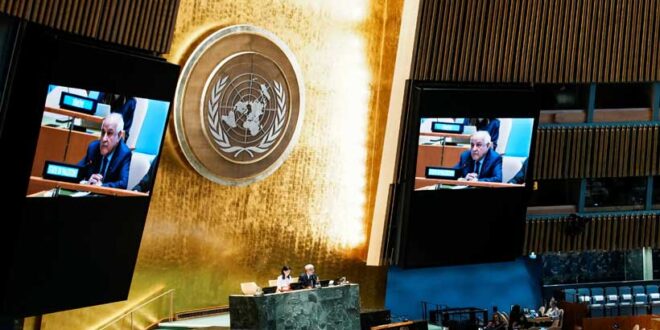

The reopening of the Strait of Hormuz may have eased immediate concerns over global energy supplies, but the economic consequences of months of disruption are likely to persist for many vulnerable economies, according to the United Nations Conference on Trade and Development (UNCTAD). While oil prices have largely returned to pre-conflict levels following the interim US-Iran agreement, the agency warns that higher transport, fertiliser and food costs will take considerably longer to subside as global supply chains gradually recover.
The report highlights that the economic shock extends beyond energy markets, with lower-income countries facing prolonged inflationary pressures that threaten food security, household incomes and economic stability.
Energy markets recover faster than supply chains
The gradual resumption of shipping through the Strait of Hormuz has helped stabilise global oil prices and ease immediate concerns over fuel supplies. However, UNCTAD cautions that supply chains disrupted during more than three months of maritime restrictions cannot return to normal as quickly as commodity markets.
Shipping networks, logistics systems and inventory cycles require time to readjust, meaning transport costs are likely to remain elevated even as crude prices decline.
Stay ahead of the geopolitical week.
MD Briefing delivers expert analysis across five global fronts — the Indo-Pacific, energy, geoeconomics, European security, and the Middle East — every Monday morning. Free.
Food inflation remains the greatest long-term risk
The agency warns that higher fuel, fertiliser and transportation costs are expected to continue feeding into agricultural production and food distribution, prolonging inflationary pressures well beyond the end of the conflict.
Because food prices respond more slowly than energy markets, many countries could continue experiencing rising living costs despite improving conditions in global oil markets, placing additional strain on low-income households.
Import-dependent economies face prolonged pressure
Countries that rely heavily on imported fuel, fertilisers and staple foods remain particularly vulnerable to the aftereffects of the Hormuz disruption. Limited fiscal resources and dependence on external supplies leave these economies with fewer options to absorb higher import costs or shield consumers from sustained price increases.
The report identifies dozens of developing economies that remain exposed to prolonged economic stress despite the reopening of the strategic waterway.
Rising prices threaten food security and social stability
UNCTAD warns that sustained increases in food prices could have serious humanitarian consequences, particularly in fragile and low-income countries. Higher food costs disproportionately affect poorer households, increasing the risk of malnutrition, worsening food insecurity and placing additional pressure on already vulnerable social protection systems.
The warning underscores how geopolitical disruptions can quickly evolve into broader development and public welfare challenges.
International support seen as critical for recovery
The agency argues that vulnerable economies will require targeted international assistance to manage the lingering effects of the crisis. Financial support, food assistance and measures to strengthen supply chain resilience could help the most exposed countries recover more quickly and reduce the long-term economic damage caused by the disruption.
Without coordinated support, many developing economies may struggle to restore price stability and economic growth.
Future Outlook
Although the reopening of the Strait of Hormuz has significantly reduced immediate risks to global energy markets, the broader economic recovery is expected to unfold more gradually. Food prices, transport costs and agricultural input expenses are likely to remain elevated for some time, particularly in import-dependent developing economies.
The pace of recovery will depend on the continued normalisation of shipping routes, stable energy supplies and effective international support for vulnerable countries. Without these conditions, the economic consequences of the Hormuz disruption could outlast the geopolitical crisis itself, prolonging inflationary pressures and slowing development across some of the world’s most fragile economies.