November 8, 2026
Americas, Analysis, Briefs, Geopolitics, Middle East, Military & Security, NEWS, Op-ed, OPINION, Society
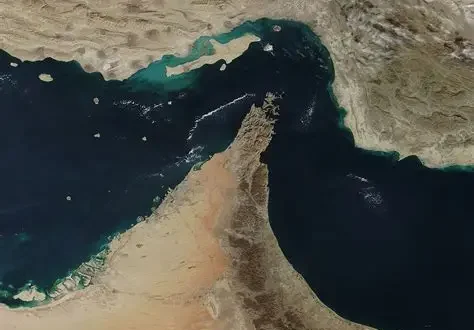
Antony Baker The global energy crisis has once again demonstrated that geography remains one of the most powerful instruments of international politics. The Strait of Hormuz is not merely a maritime passage connecting the Gulf to international markets. It is a strategic artery through which the economic stability …
Read More »
November 8, 2026
Americas, Analysis, Briefs, Economics, Geopolitics, NEWS, Op-ed, OPINION, Society
Dr. Shehab Al-Makahleh The American midterm elections have delivered more than a domestic political verdict. They have exposed a deeper question about the United States’ position in an increasingly uncertain international system: can Washington continue to exercise global leadership when confidence in its political direction, strategic commitments and …
Read More »
November 6, 2026
Americas, Analysis, Briefs, Economics, Geopolitics, NEWS, Op-ed, OPINION, Society
Key Points Artificial intelligence and semiconductor production have become instruments of geopolitical power. US-China competition increasingly extends beyond tariffs and military capabilities. Export controls, technology restrictions and critical-mineral dependencies are reshaping global trade. Taiwan, South Korea, Japan and European economies occupy strategically important positions. Countries that control …
Read More »
November 6, 2026
Americas, Analysis, Briefs, Geopolitics, Middle East, Military & Security, NEWS, Op-ed, OPINION, Society
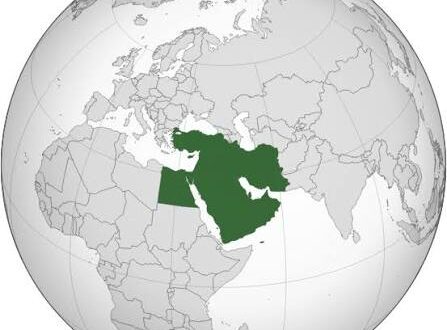
James Sullivan Key Points The regional conflict has exposed the limits of relying exclusively on external security guarantees. Saudi Arabia, Türkiye and Pakistan are developing a more structured defence relationship. The UAE and other Gulf states are increasingly balancing military preparedness with diplomatic engagement. Iran remains a central …
Read More »
November 6, 2026
Americas, Analysis, Briefs, Economics, Geopolitics, Middle East, Military & Security, NEWS, Op-ed, OPINION, Society
Dr. Shehab Al-Makahleh Key points The Democratic victory in both chambers of Congress represents a significant political setback for Donald Trump. Congressional opposition will increase scrutiny of military spending, foreign commitments and executive decisions. The president nevertheless retains considerable constitutional authority over foreign policy and military operations. Allies …
Read More »
November 5, 2026
Americas, Analysis, Briefs, Economics, Geopolitics, Middle East, Military & Security, NEWS, Op-ed, OPINION, Society
Key points American political division creates uncertainty well beyond the transatlantic alliance. The Indo-Pacific, Red Sea and Sahel are becoming increasingly interconnected strategic theatres. Russia, China, Türkiye and Gulf states are expanding their diplomatic and economic roles. Regional powers will seek greater autonomy rather than exclusive dependence on …
Read More »
November 5, 2026
Americas, Analysis, Briefs, Economics, Europe, Geopolitics, Middle East, NEWS, Op-ed, OPINION, Society
Key points The Democratic congressional victory could strengthen support for Ukraine, but does not guarantee new military assistance. Washington is pursuing negotiations while the battlefield remains active. Europe must have a stronger role in security guarantees and reconstruction. Russia may seek to exploit differences between Washington and European …
Read More »
November 5, 2026
Americas, Analysis, Asia Pacific, Briefs, Economics, Geopolitics, Middle East, NEWS, Op-ed, OPINION, Society
Key points The American election changes the political environment, not the underlying strategic competition. Taiwan remains the most dangerous test of deterrence. Trade, artificial intelligence and critical minerals will remain contested. Beijing’s diplomatic opportunities are real, but so are the limits of its influence. Beijing’s opportunity is also …
Read More »
November 5, 2026
Americas, Analysis, Briefs, Economics, Geopolitics, Middle East, Military & Security, NEWS, Op-ed, OPINION, Society
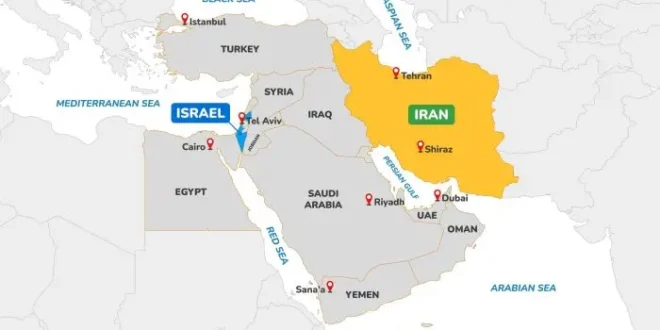
Key points The Iran war has become both a regional conflict and a domestic political liability in the United States. Congressional scrutiny may increase, but the White House retains military authority. Gulf diplomacy, energy security and regional de-escalation will become more important. China may seek a diplomatic role, …
Read More »


 Geostrategic Media Political Commentary, Analysis, Security, Defense