June 2, 2026
Americas, Analysis, Asia Pacific, Briefs, Cybersecurity, Economics, Europe, Geopolitics, Middle East, NEWS, Op-ed, OPINION, Russia-CIS, Society
Technology stocks led a broad market rally across China and Hong Kong on Tuesday as investors poured into artificial intelligence related companies despite continuing uncertainty surrounding developments in the Middle East. The strongest gains came from major technology firms including Tencent and Meituan, helping push Hong Kong’s technology …
Read More »
June 2, 2026
Americas, Analysis, Asia Pacific, Briefs, Cybersecurity, Economics, Geopolitics, NEWS, OPINION, Society
Dr. Nessrine Mesto-Assaad At the end of the first millennium and the beginning of the second, after the dissolution of the Soviet Union and the decline of communist influence and the socialist model, the United States emerged as a global power based on the capitalist system and the …
Read More »
May 27, 2026
Americas, Asia Pacific, Briefs, Cybersecurity, Europe, Geopolitics, Middle East, NEWS, OPINION, Russia-CIS, Society
Across South Asia, concerns over press freedom, political influence, and media credibility are drawing increasing international scrutiny. From Bangladesh and Pakistan to India, journalists and independent media organisations face mounting political, economic, and legal pressures that are reshaping how information is produced and consumed. Recent international assessments point …
Read More »
May 27, 2026
Africa, Americas, Analysis, Asia Pacific, Briefs, Europe, Geopolitics, Middle East, NEWS, OPINION, Russia-CIS, Society
Sana Khan South Asia’s geopolitical landscape is increasingly shaped not only by shifting alliances, but by an intensifying struggle over narrative power who gets to define influence, leadership, and diplomatic success in the international system. India has spent the past decade projecting itself as an emerging global power, …
Read More »
May 27, 2026
Analysis, Asia Pacific, Briefs, Economics, Geopolitics, NEWS, Society
Sachin Yadav Could Taiwan Trigger the Next Global Crisis? In an era already shaped by the Russia–Ukraine war, the West Asia conflict, and rising geopolitical fragmentation, one issue continues to keep military planners in Washington, Beijing, Tokyo, and even New Delhi awake at night which is related to …
Read More »
May 25, 2026
Americas, Analysis, Asia Pacific, Briefs, Economics, Europe, Geopolitics, Middle East, Military & Security, NEWS, OPINION, Society
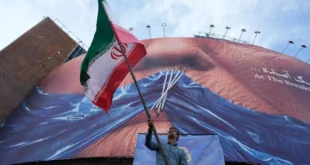
Israeli Prime Minister Benjamin Netanyahu admitted in closed-door discussions that he is facing difficulty influencing US President Donald Trump’s position on Iran, Israeli media said Sunday. The reported development came as negotiations between Washington and Tehran appear to be moving closer toward an agreement aimed at ending the …
Read More »
May 25, 2026
Analysis, Asia Pacific, Briefs, Economics, Europe, Geopolitics, Middle East, Military & Security, NEWS, Op-ed, OPINION, Society
The United States and Iran are nearing a draft agreement that would reopen the Strait of Hormuz, ease pressure on global oil markets, and launch a new round of talks over Tehran’s nuclear program, Axios reported, citing a US official familiar with the talks. The proposed deal, which …
Read More »
May 20, 2026
Americas, Analysis, Asia Pacific, Briefs, Economics, Europe, Geopolitics, Middle East, Military & Security, NEWS, OPINION, Society
Had Elis The question is uncomfortable, but increasingly asked in certain political and analytical circles: did the Syrian civil war inadvertently—or deliberately—reshape the demographic landscape of Western countries? At first glance, the idea may seem conspiratorial. Yet beneath it lies a set of legitimate concerns about migration patterns, …
Read More »
May 20, 2026
Americas, Analysis, Asia Pacific, Briefs, Economics, Europe, Geopolitics, Middle East, Military & Security, NEWS, OPINION, Russia-CIS, Society
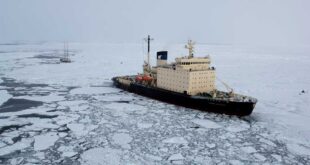
For years the Arctic was viewed as a geopolitical periphery which is remote, inaccessible and strategically and marginally strategic to regions such as the Persian Gulf or the Indo-Pacific. But in 2026, that perception is rapidly changing. As Europe grapples with another energy crisis, LNG markets remain volatile …
Read More »


 Geostrategic Media Political Commentary, Analysis, Security, Defense








You must be logged in to post a comment.