Geostrategic Media Political Commentary, Analysis, Security, Defense
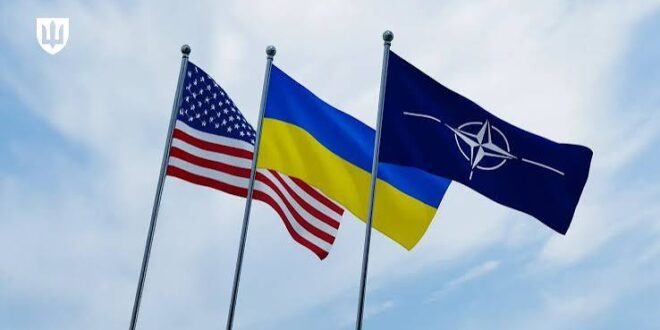

The resumption of US-mediated negotiations between Russia and Ukraine has reopened a diplomatic channel, but it does not mean that the war is close to ending. The November talks in Abu Dhabi produced an understanding on a substantial prisoner exchange, yet the central disputes over territory, security guarantees and Europe’s future security arrangements remain unresolved. The discussions have also exposed differences between Washington and European capitals over the shape of a settlement and the role European allies should play in negotiating it.
The fundamental difficulty is that a ceasefire can stop the fighting without addressing the conditions that made the war possible. If Ukraine accepts an arrangement without credible and enforceable security guarantees, a truce could become little more than an interval in which military capabilities are rebuilt for another confrontation. Conversely, ignoring Russia’s security concerns or excluding Moscow from a wider European security discussion will not create a stable continental order. Yet recognising the need for negotiations does not mean legitimising territorial conquest or denying a sovereign country the right to determine its future.
Peace should not be measured by the number of meetings held or photographs taken at negotiating tables. It should be measured by whether an agreement can prevent another war. That requires clear guarantees, independent monitoring, arrangements for prisoner exchanges and the return of civilians, reconstruction of devastated areas and a sustained political process addressing wider security questions. Europe must be involved in shaping the settlement, rather than merely bearing its economic and security consequences. Successful diplomacy is not simply about ending a war quickly. It is about creating conditions in which another war is no longer the predictable outcome.