Geostrategic Media Political Commentary, Analysis, Security, Defense
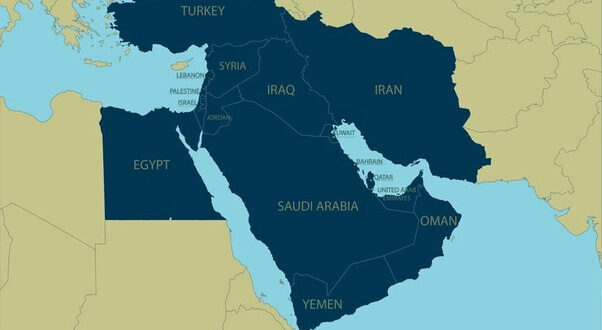

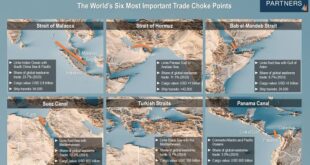
The Middle East’s maritime corridors are no longer simply commercial routes through which oil tankers and cargo ships pass. They have become arenas where military calculations, economic interests and political leverage intersect. Continued tensions around the Strait of Hormuz and Bab al-Mandab expose the fragility of the system governing international trade. They also demonstrate how a regional confrontation can quickly become a global crisis affecting energy markets, insurance premiums, supply chains and food prices. In November 2026, the United Nations warned of continuing maritime incidents, reporting 134 confirmed incidents in the Strait of Hormuz and the wider Middle East maritime area by 11 November, with 25 seafarers killed.
The central problem is that freedom of navigation is increasingly hostage to military balances and strategic messaging. Threatening or restricting a maritime passage does not impose costs only on an adversary. It raises the price of trade for importers and exporters alike, while leaving smaller economies exposed to consequences they cannot control. Alternative routes can reduce some pressure, but they cannot fully replace the strategic importance of Hormuz or Bab al-Mandab, nor eliminate the risks faced by crews, shipping companies and insurers.
The answer should not be the permanent militarisation of these waterways. It should be a sustainable regional and international framework grounded in international law and the protection of civilian shipping. Gulf states and countries bordering the Red Sea could work with the United Nations and the International Maritime Organization to develop early-warning systems, information-sharing arrangements and procedures for investigating incidents before they escalate. No single state owns these passages, and none should be able to use them as instruments of strategic coercion. Their security is a shared international interest. Any regional settlement that fails to guarantee freedom of navigation will remain fundamentally incomplete.