Geostrategic Media Political Commentary, Analysis, Security, Defense

Dr. Shehab Al-Makahleh
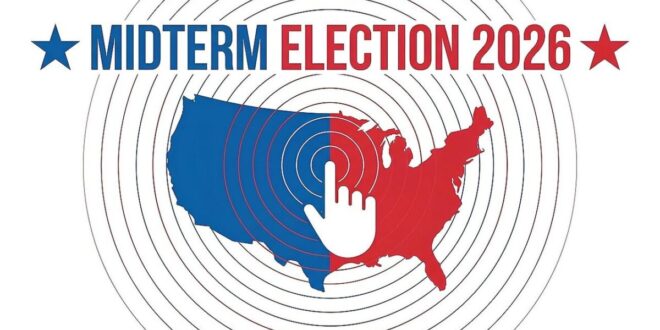
The American midterm elections have delivered more than a domestic political verdict. They have exposed a deeper question about the United States’ position in an increasingly uncertain international system: can Washington continue to exercise global leadership when confidence in its political direction, strategic commitments and diplomatic reliability is under pressure?
The electoral setback for President Donald Trump and the Democratic victory in both chambers of Congress represent a significant political development. Yet international observers should resist the temptation to interpret the results as an immediate transformation of American foreign policy. The presidency retains considerable authority over diplomacy, military deployments and national security decisions. Congressional opposition, however, can complicate budgets, appointments, legislation and the administration’s ability to sustain its political agenda.
For America’s allies, the central concern is not simply who controls Congress. It is whether American commitments remain dependable beyond individual electoral cycles. European governments have increasingly recognised that their security cannot rest entirely on assumptions about Washington’s future intentions. Gulf states face a similar strategic dilemma: maintaining their partnership with the United States while developing broader diplomatic, economic and security relationships.
The credibility problem extends beyond traditional alliances. American trade policy, its approach to international institutions and the use of economic pressure have influenced how governments in Asia, Africa and the Middle East assess Washington’s intentions. Even partners that value American military capabilities increasingly seek strategic flexibility rather than exclusive dependence.
This does not mean that American influence is disappearing. The United States retains exceptional military capabilities, financial power, technological advantages and an extensive network of international partnerships. But power and leadership are not interchangeable. The former can compel governments to respond; the latter persuades them to cooperate.
The next phase of American foreign policy will therefore require something more substantial than electoral adjustments. Washington must demonstrate consistency, respect for international commitments and an ability to distinguish between immediate political interests and long-term strategic objectives.
The world does not necessarily need a weaker America. It needs a more predictable one. The midterm elections have provided an opportunity for institutional recalibration, but restoring international confidence will require sustained policy decisions rather than campaign promises. America’s global standing will ultimately be measured not by the number of countries that follow its decisions, but by the number that still trust its judgment.