Geostrategic Media Political Commentary, Analysis, Security, Defense

Antony Baker
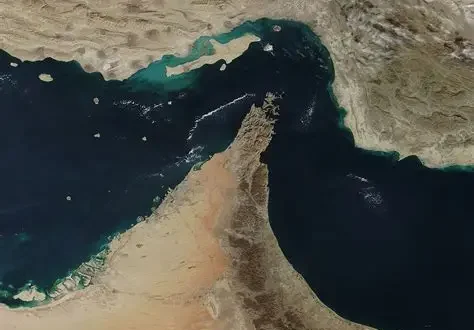
The global energy crisis has once again demonstrated that geography remains one of the most powerful instruments of international politics. The Strait of Hormuz is not merely a maritime passage connecting the Gulf to international markets. It is a strategic artery through which the economic stability of Europe, Asia and much of the developing world is closely connected to the security of the Middle East.
The disruption of energy shipments through the Strait has exposed the vulnerability of an international economic system that remains heavily dependent on concentrated supply routes. The consequences extend well beyond the immediate region. Higher energy prices influence industrial production, transportation, food distribution, inflation and the fiscal stability of countries that import substantial quantities of oil and natural gas.
The International Energy Agency’s November 2026 assessment highlights the seriousness of the situation. Disruptions to liquefied natural gas shipments from Qatar and the United Arab Emirates have intensified competition for available supplies. European gas storage has also entered the 2026–27 heating season at its lowest level since 2013, increasing the continent’s exposure to further supply disruptions.
For European governments, this is a strategic warning. Energy diversification cannot be measured simply by the number of suppliers on a procurement list. It must include infrastructure, storage capacity, alternative shipping routes, long-term contracts and the ability to withstand prolonged geopolitical disruptions.
For Gulf countries, the crisis presents an equally important strategic challenge. Their economic transformation programmes depend on stable maritime trade, investor confidence and the uninterrupted movement of energy and manufactured goods. The security of ports, offshore installations, undersea infrastructure and shipping corridors is therefore inseparable from national economic security.
The crisis also creates an opportunity to reconsider regional cooperation. Gulf states, Türkiye, Jordan, Egypt and European partners have overlapping interests in protecting maritime commerce and preventing further militarisation of critical waterways. Practical cooperation in maritime surveillance, information-sharing, emergency response and infrastructure protection could provide a foundation for broader regional security arrangements.
However, energy security cannot be achieved through military deterrence alone. A sustainable framework must also address the political tensions that make strategic waterways vulnerable to confrontation. Diplomacy, crisis communication and internationally supported maritime arrangements should complement military preparedness.
The lesson of Hormuz is clear: globalisation has not eliminated geographical vulnerability. It has made the consequences of disruption more international.
The countries that emerge strongest from this crisis will not necessarily be those with the largest energy reserves or military forces. They will be those that develop resilient infrastructure, diversified partnerships and credible mechanisms for managing geopolitical risk. Energy security has become a central measure of national resilience, and the Middle East remains at the heart of that calculation.