Geostrategic Media Political Commentary, Analysis, Security, Defense
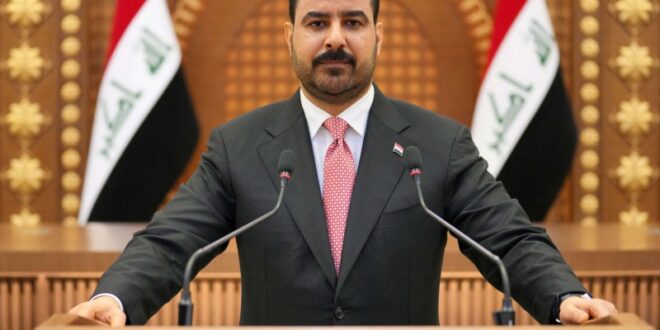

Iraqi Prime Minister Ali Faleh al-Zaidi’s tour from Riyadh to Kuwait, Beirut, and Damascus is more than a series of routine diplomatic visits. It reflects Baghdad’s attempt to reposition itself in a region where security concerns increasingly overlap with economic interests, traditional alliances are being reshaped, and regional powers are competing to define the future of the Middle East. The central question, however, is whether Iraq can translate this diplomatic outreach into an independent, coherent foreign policy.
Iraq occupies a uniquely sensitive geographical and political position, connecting the Gulf to the Levant while navigating its relationships with Iran, Turkey, the United States, and its Arab neighbors. This position offers Baghdad an opportunity to build bridges across competing regional interests. Yet it also carries the risk of turning Iraq into a battleground for rival powers or a conduit for political and military pressure. Iraq’s success will depend not on pleasing every regional actor, but on maintaining balanced relations without compromising its sovereignty.
Al-Zaidi’s visit to Riyadh offered an important indication of this ambition. His assurance to Saudi Crown Prince Mohammed bin Salman that Iraqi territory would not be used to launch attacks against Saudi Arabia or other regional states addressed one of Baghdad’s most persistent challenges: how to demonstrate its commitment to good-neighborly relations while armed groups operating outside the government’s full control continue to influence regional security calculations.
This issue is fundamental to Iraq’s credibility. Diplomatic promises mean little unless the government possesses the institutional authority and security capabilities to implement them. Reassuring neighboring countries therefore requires more than statements; it demands effective state control over weapons, security decisions, and cross-border activities.
The visits to Beirut and Damascus carry a different but equally important dimension. They suggest that Baghdad is seeking to rebuild practical cooperation across the Arab world rather than simply shifting from one political camp to another. Iraq should approach these relationships through clearly defined mutual interests, preserving the flexibility to engage competing regional actors without becoming hostage to their rivalries.
Lebanon offers opportunities for cooperation in energy, transportation, trade, and regional connectivity. Discussions between al-Zaidi and Lebanese Prime Minister Nawaf Salam in New York last September reportedly included joint projects in these areas, alongside support for strengthening state authority and placing weapons under institutional control.
For Lebanon, closer economic ties with Iraq could help address energy needs and support economic recovery. Iraq, in turn, could benefit from expanded commercial and investment opportunities. Realizing this potential, however, requires concrete agreements, reliable financing, clear implementation schedules, and institutions capable of delivering results beyond temporary political understandings.
Syria presents a more complicated challenge. Geography makes cooperation between Baghdad and Damascus essential, particularly on border security, counterterrorism, trade, and overland transportation. Cooperation against the Islamic State remains especially important, as does preventing instability along their shared frontier. Yet meaningful progress will require sustained security coordination and economically viable projects that account for Syria’s evolving domestic situation and the sensitivities of its regional environment.
Connecting Beirut and Damascus within a broader diplomatic initiative could allow Iraq to help restore economic and political links across the Levant. But geographical proximity alone does not produce regional integration. Trade corridors require security, investments require guarantees, and cross-border projects need stable regulations that survive political changes and regional crises.
Ultimately, Baghdad’s greatest obstacle may lie at home rather than abroad. Iraq cannot credibly promise its neighbors that its territory will not be used for hostile operations unless its government can enforce that commitment. Nor can it present itself as a reliable partner to Lebanon and Syria if foreign policy and security decisions remain vulnerable to competing domestic power centers and armed factions.
Al-Zaidi’s regional tour offers Iraq an opportunity to reassert itself as a central Arab state capable of facilitating dialogue and building shared interests across a fractured region. But diplomatic visibility alone does not constitute strategic influence.
Iraq will become a regional bridge not simply because of its geography, but because it can exercise sovereign authority, sustain economic partnerships, and ensure that government commitments translate into action. The real test of its diplomacy is whether Baghdad can turn its position between the Gulf and the Levant into a source of stability and cooperation rather than another arena for regional competition.