Geostrategic Media Political Commentary, Analysis, Security, Defense

GEOSTRATEGIC MEDIA | GLOBAL ANALYSIS | 30 OCTOBER 2026
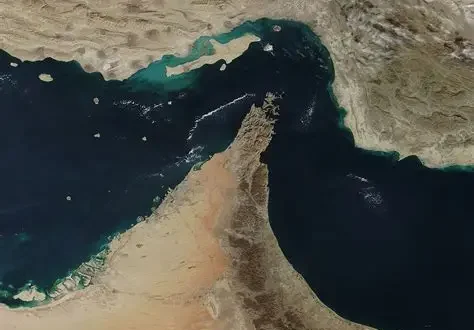
The latest incidents in and around the Strait of Hormuz underline a strategic reality that military planners and energy markets have repeatedly confronted: protecting a shipping lane is not the same as securing it. Iran’s Revolutionary Guards Navy said several tankers caught fire after attempting to use routes it described as unauthorised. Those claims have not been independently verified by Reuters. Separately, the United Kingdom Maritime Trade Operations agency reported that a crude-oil tanker was struck by an unidentified projectile while leaving the strait, with the crew reported safe.
The distinction between confirmed incidents and competing claims matters. In a congested and politically charged waterway, an explosion, fire or unexplained impact can trigger insurance repricing, rerouting and precautionary decisions before investigators establish exactly what happened. The commercial response can therefore magnify the strategic effect of an incident even when the physical damage is limited.
A narrow passage with global consequences
Hormuz is not simply a regional maritime corridor. It is a critical artery for oil and liquefied natural gas moving from Gulf producers to international markets. Any sustained disruption would affect import-dependent economies, shipping schedules, refinery planning and the cost of energy security. The vulnerability is especially acute for Asian economies, although higher energy and freight costs would travel through global supply chains.
For the United States and its partners, naval escorts and surveillance can reduce risks, but they cannot eliminate the underlying political contest. A maritime security operation may keep some vessels moving; it cannot by itself settle disputes over sanctions, nuclear policy, regional military presence or Iran’s strategic leverage. Nor can it guarantee that commercial operators will regard the route as commercially acceptable when the threat environment remains uncertain.
The strategic dilemma
Tehran’s leverage does not depend on permanently closing the strait. The possibility of disruption can itself impose costs, while selective incidents and ambiguous attribution complicate the response of outside powers. Yet this strategy carries risks for Iran as well: escalation could harden international opposition, threaten neighbouring economies and invite a wider military response. The same geography that gives Tehran leverage also exposes it to the consequences of a prolonged crisis.
Gulf governments face a parallel dilemma. They need reliable export routes and credible protection for critical infrastructure, but they also have strong incentives to prevent their territory and facilities from becoming launch points or targets in a wider confrontation. Their diplomacy, air and maritime defence coordination, and engagement with external powers will shape the limits of any escalation.
What comes next
The immediate priority should be incident verification, clear maritime communications and practical arrangements that reduce the risk of miscalculation. A durable reduction in danger, however, will require diplomacy that addresses both freedom of navigation and the wider security disputes driving the confrontation. The central lesson is that naval superiority can protect ships in particular moments; it cannot manufacture political stability. Until the parties find a framework that lowers the incentive to threaten the waterway, Hormuz will remain a pressure point for the global economy.
Sources
- Reuters, 30 October 2026: tanker incidents and competing accounts in the Strait of Hormuz
- UK Maritime Trade Operations update, summarized by Nhan Dan, 30 October 2026
Editorial note: Iranian military claims about multiple tankers and mines have not been independently verified. This article distinguishes those claims from the separate maritime incident reported by UKMTO.