 Geostrategic Media Political Commentary, Analysis, Security, Defense

The war between Iran and Israel has escalated beyond what anyone could have anticipated, transforming from targeted strikes into a broader regional conflagration. Each attack now provokes a harsher retaliation, while diplomatic efforts to contain the violence are increasingly ignored. The human and economic toll is mounting, and the world is watching as the Middle East teeters on the brink of a far more destructive chapter.
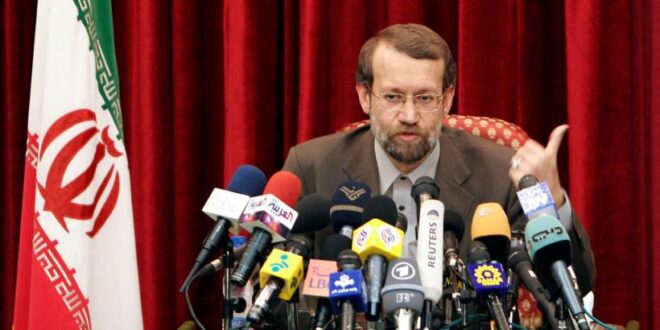
The latest flashpoint came with the assassination of Ali Larijani, one of Iran’s most powerful security figures and a close confidant of the late Ali Khamenei. Killed alongside his son and senior aide Alireza Bayat, Larijani was central to Tehran’s defense and foreign policy apparatus as secretary of Iran’s Supreme National Security Council. His death represents one of the most significant blows to Iranian leadership since the outbreak of hostilities, and it underscores Israel’s increasingly deliberate strategy of targeting the command structure of its adversary.
Larijani is not the first high-profile figure to fall. Israeli operations have also eliminated senior militia leaders such as Gholamreza Soleimani, signaling a systematic campaign to dismantle Iran’s internal security network. The message is clear: Israel intends to degrade Tehran’s ability to coordinate military and strategic operations.
Iran’s response has been equally resolute. Under the leadership of Mojtaba Khamenei, Tehran has rejected ceasefire overtures and intermediary negotiations, insisting that the United States and Israel first pay a price for their actions. This hardline posture suggests that Iran is preparing for a protracted conflict, leaving little room for near-term de-escalation and raising the specter of further retaliatory attacks.
The violence is spilling across borders. Iranian missiles have struck Israeli cities including Tel Aviv, while Israel has expanded its operations across multiple fronts. In Lebanon, clashes with Hezbollah have resulted in casualties and mass displacement, pulling the country deeper into the conflict. Gulf states hosting U.S. military bases have also become targets, as drone and missile strikes highlight the widening reach of hostilities.
The global consequences are mounting. Disruptions in the Strait of Hormuz, a critical artery for global oil shipments, have contributed to rising energy prices, fueling inflation and uncertainty worldwide. The United States has appealed to allies to secure the waterway, but reluctance to intervene reflects a broader fear of becoming entangled in a widening war. Meanwhile, international divisions over the legality and legitimacy of the conflict add to mounting unease.
The assassination of Larijani and Iran’s steadfast refusal to negotiate signal a critical turning point. The conflict is now more entrenched, geographically expansive, and economically disruptive than ever before. From Lebanon to the Gulf, the war’s footprint is growing. Globally, oil markets and inflation are already feeling the shockwaves.
Without renewed diplomatic engagement, the trajectory is clear: a longer, bloodier conflict that threatens regional stability and reverberates through the global economy. The world can no longer treat this as a distant war. The Middle East is once again at a dangerous crossroads, and the choices made in the coming weeks will shape its future for years to come.