 Geostrategic Media Political Commentary, Analysis, Security, Defense
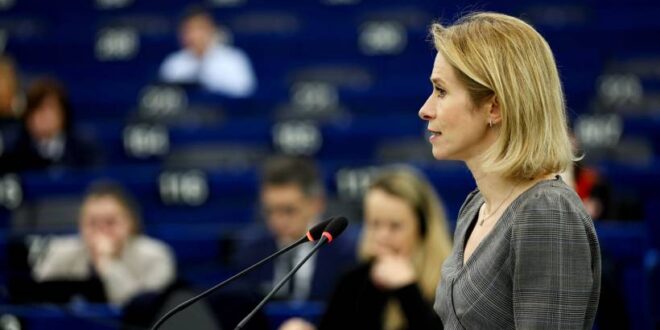

On July 17, the Council of the European Union quietly froze the assets of one Russian executive and five companies belonging to a single corporate family, ABS Electro, for supplying electronic components that make Russia’s Shahed and Geran attack drones harder to jam. That was the entire publicly announced output of a sanctions package that EU foreign policy chief Kaja Kallas had promised, four days earlier, would raise the cost on Moscow after strikes on Kyiv killed more than a dozen civilians. Nine days before that, NATO Secretary General Mark Rutte had closed the alliance’s summit in Ankara by declaring a strong sense of unity among its thirty two members. Measured against what one of those members actually delivered against Russia in the days that followed, that unity appeared more difficult to translate into immediate policy action than summit language alone suggested.
The sequence matters. Kallas proposed the package on July 3, a day after a Russian missile and drone barrage on Kyiv, framing it as a response that would increase pressure on Moscow following attacks on civilians. Early reporting suggested the proposal enjoyed broad backing among the twenty seven member states and would target a wider segment of Russia’s military industrial base ahead of the Foreign Affairs Council meeting scheduled for July 13. What ultimately emerged was a much narrower package focused on six listings tied to a single corporate group rather than the broader industrial network initially discussed.