 Geostrategic Media Political Commentary, Analysis, Security, Defense
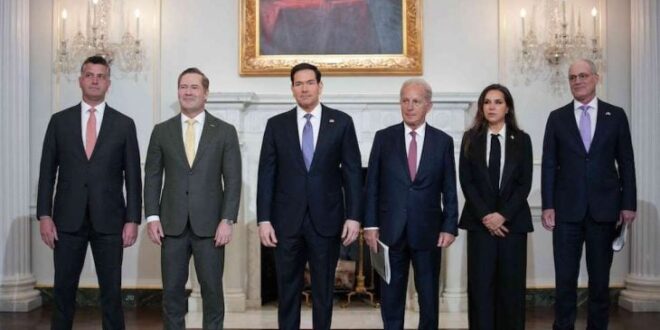

Israeli and Lebanese envoys are set to meet in Washington in US mediated negotiations aimed at reducing escalating violence between Israel and Lebanon. The talks come amid intensified fighting involving the Iran backed group Hezbollah during the wider Iran war.
The conflict escalated after Hezbollah launched missile strikes into northern Israel, prompting Israeli air and ground operations across southern Lebanon. The violence has caused significant civilian displacement and heavy casualties on both sides.
What triggered the talks
The current round of diplomacy follows months of escalating cross border attacks. A fragile ceasefire effort earlier in 2024 collapsed, and renewed violence erupted after Hezbollah strikes and Israeli retaliation expanded into a broader military campaign.
Diplomatic momentum increased after US led efforts to prevent further regional escalation, particularly following parallel negotiations involving Iran.
Who is involved
The talks in Washington will be led by Israeli ambassador to the United States Yechiel Leiter and Lebanese ambassador Nada Hamadeh Moawad.
Senior US officials, including Marco Rubio, are expected to attend, highlighting Washington’s direct involvement in attempting to stabilise the situation.
Key points of disagreement
The two sides remain deeply divided over the purpose and scope of the talks.
Israel is focusing on the disarmament of Hezbollah and long term security arrangements along its northern border. Lebanon, however, is prioritising an immediate ceasefire and sees any broader negotiations as dependent on halting military operations.
Hezbollah itself remains outside the talks but is central to the conflict, with its military capabilities and political influence shaping Lebanon’s position.
Why it matters
The Israel Lebanon conflict has become one of the most dangerous spillover fronts of the wider Middle East crisis. Continued fighting risks destabilising Lebanon further, while also opening a second major front for Israel alongside other regional tensions.
The humanitarian toll is already severe, with thousands killed and hundreds of thousands displaced in Lebanon alone. The risk of escalation into a broader regional war remains significant.
Regional context
The talks are taking place alongside wider US mediated diplomacy involving Iran and other regional actors. The situation is closely linked to broader tensions across the region, including the conflict in Gaza and the strategic contest involving Iran and its allied groups.
The Strait of Hormuz and wider Gulf region remain under pressure due to overlapping military and economic disruptions.
Analysis
These talks represent a rare diplomatic opening in a conflict with no formal diplomatic relations between Israel and Lebanon. While US mediation provides structure, the fundamental gap between ceasefire demands and security objectives remains wide.
Israel seeks long term neutralisation of Hezbollah’s military capability, while Lebanon is politically and militarily constrained from delivering such an outcome without internal instability.
The involvement of the United States suggests urgency to prevent further escalation, but also highlights the limits of external mediation in resolving deeply rooted regional conflicts.
The Washington talks mark an important but fragile attempt to contain a rapidly expanding conflict. While they may reduce immediate tensions, the underlying disputes between Israel, Lebanon, and Hezbollah remain unresolved, keeping the risk of renewed escalation high.