Geostrategic Media Political Commentary, Analysis, Security, Defense

By Geostrategic Media Desk Team
Key points
- Natural gas is reshaping economic relationships and strategic calculations across the Middle East.
- Qatar, Saudi Arabia and the UAE possess different but complementary energy assets.
- Türkiye, Egypt and Jordan occupy important positions in regional transit, processing and consumption networks.
- Infrastructure cooperation could strengthen regional stability, but political rivalries remain a major obstacle.
Natural gas is becoming one of the most consequential instruments of geopolitical influence in the Middle East. For decades, the region’s international importance was discussed primarily through oil, maritime routes and military alliances. Gas is now adding a new dimension to this equation. Export capacity, pipelines, LNG terminals, processing facilities and electricity interconnections are shaping relationships between states and creating new forms of strategic dependence.
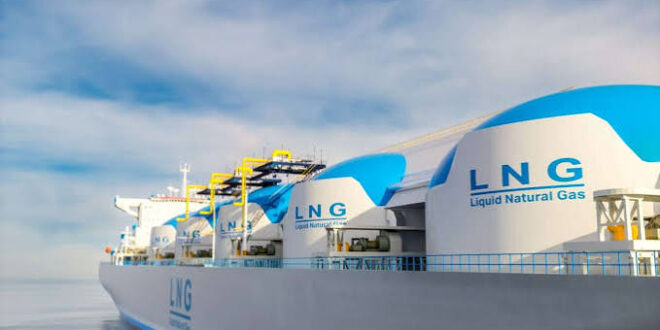
Qatar remains central to the global LNG market, while Saudi Arabia is seeking to expand its domestic gas sector as part of its broader economic transformation. The United Arab Emirates combines gas production, infrastructure investment and international energy partnerships. These countries do not follow identical strategies, but their decisions influence regional investment, industrial development and the future direction of energy diplomacy.
Türkiye occupies a different but increasingly important position. Its geographic location, pipeline connections, LNG infrastructure and expanding energy diplomacy give it the potential to serve as a bridge between producing regions and European markets. Egypt also has a distinctive role because it possesses LNG export infrastructure and can function as a processing and trading centre for Eastern Mediterranean gas. However, domestic consumption, production constraints and regional instability can limit its ability to maintain consistent exports. Jordan, meanwhile, remains an important energy consumer whose security depends on reliable imports, infrastructure resilience and the development of alternative energy sources.
The Eastern Mediterranean illustrates both the promise and the limitations of regional energy cooperation. Offshore gas discoveries have created opportunities for exports, investment and closer economic relations. Yet unresolved maritime disputes, political tensions and security concerns continue to obstruct major infrastructure projects. Energy cooperation cannot be separated from the broader political environment in which it operates.
A regional gas network could create shared economic interests and strengthen interdependence. Pipelines, LNG facilities, electricity links and cross-border investment could support industrial development and provide more flexible supply arrangements. But infrastructure alone cannot guarantee cooperation. Political confidence, transparent agreements, commercial viability and credible security arrangements are essential.
The Middle East’s future influence will depend not only on the size of its reserves, but also on its ability to convert resources into durable economic partnerships. Gas diplomacy could become a platform for regional cooperation, or another arena for strategic rivalry. The choice will depend on whether governments treat energy as a shared economic opportunity or primarily as an instrument of geopolitical leverage.