 Geostrategic Media Political Commentary, Analysis, Security, Defense
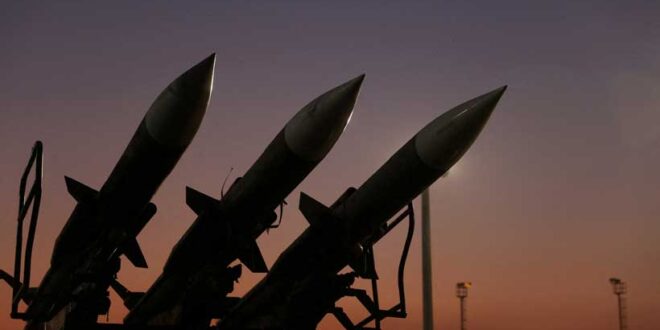

Iran launched missile and drone attacks on U. S. military sites in Kuwait and Bahrain after President Donald Trump threatened severe consequences for Iran if they did not adhere to an interim peace agreement intended to end ongoing fighting. Following this, Israel attacked Iran-aligned Hezbollah militants in Lebanon, a day after a ceasefire deal was agreed upon. The U. S. military also conducted strikes against Iranian targets shortly after a tanker was attacked in the Strait of Hormuz, a crucial global shipping route partly closed due to the conflict.
Trump’s statement on social media warned that the U. S. might take drastic military action against Iran, threatening its existence if the situation did not improve. The ceasefire agreement aimed to stop the fighting that began following U. S. and Israeli actions on February 28 and to facilitate negotiations regarding Iran’s nuclear activities. Despite mediation efforts involving U. S. Vice President JD Vance and Iranian officials, fighting resumed soon after, escalating tensions.
On the morning of Trump’s warning, Kuwait and Bahrain reported missile and drone attacks, with Iran’s Islamic Revolutionary Guard Corps claiming responsibility. The IRGC stated that their actions were a response to U. S. strikes that violated the ceasefire and warned of dire consequences for U. S. bases in the region. A U. S. official confirmed the attacks but reported no casualties. Meanwhile, Bahrain experienced another Iranian attack that damaged a building, while Kuwait intercepted some missiles without any reported damage.
The U. S. Central Command responded with additional attacks on Iranian military facilities as part of an ongoing campaign against Iranian threats in the region, particularly against commercial shipping in the Strait of Hormuz. Following the attacks, explosions were reported in southern Iran, but the Iranian military asserted its control over the strait and indicated that threats to shipping would be met with force.
Iran’s foreign minister stated that the responsibility for ensuring safe maritime traffic in the strait lay with Iran, dismissing foreign intervention. U. S. efforts included promoting alternative shipping routes. In the midst of these conflicts, some ships have begun to navigate the strait as oil prices approached pre-war levels.
In Lebanon, Israel’s assaults on Hezbollah militants continued, with no immediate retaliation from Hezbollah. Israel, which is not involved in the U. S.-Iran negotiations, has a history of military conflict with Hezbollah. The terms of the interim deal require Israel to stop its operations, which remains a contentious issue. Iran’s officials emphasized this point, insisting that the U. S. must ensure compliance from Israel.