Geostrategic Media Political Commentary, Analysis, Security, Defense

As the war between the United States, Israel and Iran spreads across the region, several Iranian allied groups have become involved. Fighters linked to Tehran in Iraq and Lebanon have already launched attacks.
Yet one of Iran’s most heavily armed partners, the Yemeni movement known as the Houthi movement, has so far stayed out of direct combat.
The group possesses missiles and drones capable of striking Gulf states and disrupting global shipping routes, raising questions about why it has not entered the conflict.
Who the Houthis are
The Houthis are a political and military movement rooted in northern Yemen and led by members of the Houthi family. The group follows the Zaydi branch of Shiite Islam.
The movement emerged from a series of guerrilla conflicts with the Yemeni government before expanding rapidly during the unrest of the Arab Spring.
In 2014, Houthi fighters captured the Yemeni capital Sanaa, triggering a regional war.
The following year Saudi Arabia led a coalition of Arab countries in a military campaign to push the group back, turning Yemen into one of the world’s worst humanitarian crises.
After years of conflict, a fragile truce brokered by the United Nations in 2022 helped reduce large scale fighting in Yemen.
Past attacks in the Red Sea
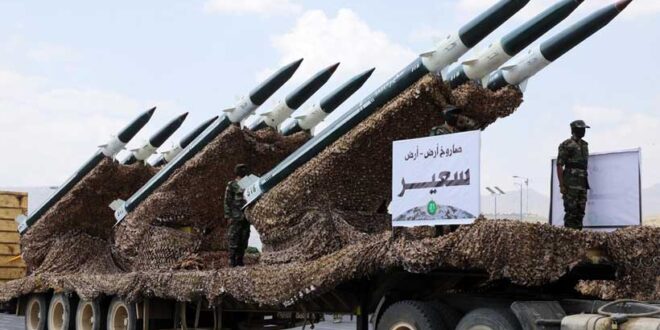
The Houthis have demonstrated significant missile and drone capabilities in recent years.
Following the October 2023 attack on Israel by Hamas and Israel’s subsequent military campaign in Gaza, the Houthis launched attacks on international shipping in the Red Sea.
They said those operations were intended to pressure Israel in support of Palestinians.
The group also fired drones and missiles toward Israel, prompting retaliatory strikes by both Israel and the United States.
Those attacks largely stopped after a U.S. mediated ceasefire between Israel and Hamas in 2025.
Why they have not entered the war
Despite their close ties to Iran, analysts say the Houthis operate with a greater degree of independence than other groups aligned with Tehran.
For example, Lebanese militant group Hezbollah and several Iraqi militias follow a religious doctrine that recognizes Iran’s supreme leader as a guiding authority.
The Houthis do not follow that structure in the same way.
While Tehran includes them in what it calls the “Axis of Resistance,” Yemen specialists say the group remains primarily focused on domestic political goals within Yemen.
The Houthis deny being an Iranian proxy, although Washington says Iran provides them with weapons, funding and training, often with support from Hezbollah.
Signals but no action
Houthi leader Abdul Malik al Houthi has warned that the group is ready to act if the conflict escalates further.
In a televised speech earlier this month he said the movement’s fighters had their “fingers on the trigger.”
However, the group has not made a formal declaration that it is joining the war.
What they might do next
Analysts see several possible reasons for the Houthis’ restraint.
Some believe the group may be waiting for a moment when its intervention would have the greatest strategic impact, possibly coordinated with Iran.
One potential scenario could involve attacks on shipping routes in the Red Sea if traffic through the Strait of Hormuz remains disrupted and global energy exports shift more heavily toward the Red Sea corridor.
Others argue the Houthis may already be conducting limited or covert attacks against regional targets, though such claims have not been independently confirmed.
Another possibility is that the group chooses to stay out of the war entirely.
Analysis
Joining the conflict could expose the Houthis to intense retaliation from the United States, Israel and potentially Saudi Arabia.
At the same time, Yemen remains economically devastated after years of war, making a new regional confrontation risky for the movement’s leadership.
For now, the Houthis appear to be balancing ideological solidarity with Iran against their own strategic interests at home.
Their decision whether to intervene could become a critical factor in determining whether the current conflict remains contained or expands into a broader regional war affecting key maritime trade routes.