 Geostrategic Media Political Commentary, Analysis, Security, Defense


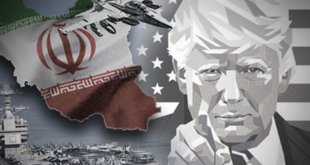
The recent announcement of indirect negotiations between the United States and Iran, slated to take place on Friday in Muscat, Oman, marks a critical juncture in diplomatic efforts surrounding Iran’s nuclear program. As reported by Iran’s Tasnim News Agency, the discussions will focus primarily on nuclear issues and lifting sanctions imposed on Iran. Iranian Foreign Minister Abbas Araqchi and U.S. envoy Steve Wixted are expected to participate in these crucial talks.
A Gulf official confirmed to Reuters that plans are being finalized for direct talks in Oman, clarifying that previous discussions in Turkey are no longer under consideration. The official indicated that the negotiations would initially address Iran’s nuclear program, subsequently expanding to include a range of other topics.
U.S. Secretary of State Marco Rubio has expressed Washington’s openness to direct communication with Tehran. During a press conference, Rubio stated, “We are open to engaging directly with the Iranian regime, and President Trump is prepared to speak with any party. We do not view this as a concession.” He added, “We are ready to meet with the Iranians on Friday if they wish,” emphasizing that discussions must encompass ballistic missile issues to yield tangible outcomes.
Further complicating matters, the Russian Foreign Ministry has reaffirmed that the proposal to transport uranium from Iran, aimed at alleviating U.S. concerns, remains viable. The ministry stated that Iran alone holds the right to make the final decision regarding any uranium transshipment, as reported by Reuters.
Iran’s Deputy Secretary of the Supreme National Security Council for Foreign Affairs, Ali Bagheri Kani, reiterated on Monday that Iranian officials have no intention of transferring enriched nuclear materials to any other country. He stressed that the upcoming talks with the United States “are not at all about transferring enriched uranium anywhere,” according to Iranian media reports.
In a related context, Kremlin spokesperson Dmitry Peskov indicated that Russia has proposed the transfer of surplus enriched uranium from Iran as a potential solution, asserting that such a step could help mitigate sources of tension among several states.
As these negotiations unfold, the stakes are high. The dialogue surrounding Iran’s nuclear program and associated sanctions is not merely a matter of diplomacy; it represents a test of international relations and strategic engagement in a region rife with conflict. While the potential for direct communication is promising, the involvement of key players like Russia adds layers of complexity to an already intricate situation.
The outcome of these discussions could shape the geopolitical landscape, either fostering a sense of cooperation amidst shared concerns or further entrenching divisions. As the world watches closely, the decisions made in Muscat may chart the course for future relations between Iran and the United States, as well as their broader implications for regional stability.