Geostrategic Media Political Commentary, Analysis, Security, Defense

Key Takeaways
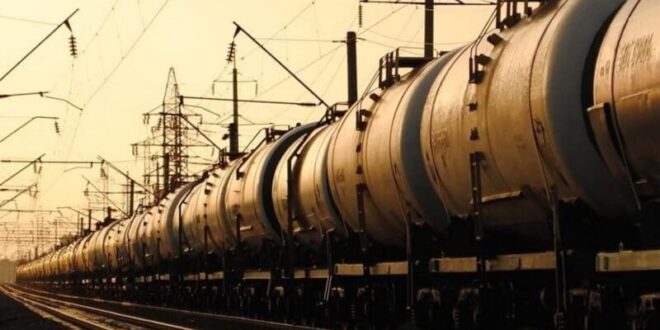
- Kazakhstan Cracks Down on Gasoline Smuggling — Amid severe fuel shortages in Russia caused by Ukrainian drone attacks, Kazakhstan has set up police checkpoints on nearly 60 border roads and introduced daily crossing limits to stop “gasoline tourism” and illegal exports.
- Kazakhstan Extends Ban on Petroleum Exports — The country is extending its export ban on gasoline and diesel until May 2027, even applying it to fellow EAEU members, to protect domestic supplies as demand surges from Russian buyers.
- Regional Energy Tensions Rising — The situation is further complicated by the collapse of the US-Iran ceasefire and renewed conflict in the Strait of Hormuz, which threatens global energy flows and increases pressure on Central Asian fuel supplies. Kyrgyzstan has requested exceptions to the ban.
(Eurasianet) — Kazakhstan is growing more possessive of its petroleum products as a gasoline shortage tightens its grip in Russia and the US-Iran conflict reignites.
Kazakh officials have established new police checkpoints on almost 60 roads along the country’s lengthy border with Russia to curb ‘gasoline tourism,’ according to local news reports. In addition, new restrictions have been introduced at border checkpoints, limiting trucks and cars to one crossing per day.
In recent weeks, as gasoline shortages have spread across Russia caused by widespread Ukrainian drone attacks on energy infrastructure, Russian vehicles have flooded across the border to obtain fuel and even illicitly import small quantities back to Russia. The Tengrinews agency reported that lines were appearing at gas stations in northern Kazakh regions, including West Kazakhstan, Aktobe and Pavlodar. The price of a liter of high-octane gas in Russia is presently about 40 percent higher than in Kazakhstan and climbing.
“The main work is now underway to identify cars with additional fuel tanks that are used for the ‘gray’ export of fuel,” Tengri quoted Deputy Energy Minister Kayirkhan Tutkyshbayev as saying. On July 4, Kazakh officials announced they had broken up dozens of would-be smuggling operations, pegging the total volume of intercepted gas at three tons.
On July 7, Kazakhstan’s Energy Ministry announced that it intends to extend a ban on the export of petroleum products, including gasoline and diesel, to May 22 of next year, a six-month extension of an already existing no-export order.
The ban even applies to Kazakhstan’s fellow members of the Eurasian Economic Union (EAEU), an entity that ensures free trade on paper but which has never lived up to the provisions outlined in its treaty.
Kazakh officials have said they could make exceptions to the export ban in such cases as “humanitarian aid and supplies carried out by decisions of the government,” according to the wording of a draft decree.
Kyrgyzstan, which is also a full member of the EAEU, has reportedly requested that Astana waive the ban and provide an unspecified amount of petroleum products. Tutkyshbayev, the deputy Kazakh energy minister, indicated that the government was considering the request. Kyrgyzstan is heavily dependent on Russian oil supplies, which have been disrupted by the Ukrainian drone offensive.
Tutkyshbayev also disputed news reports that circulated in late June that Russia was seeking to import up to 50,000 tons of Kazakh gas. A formal request was never proffered by Moscow, he said.
Central Asia’s gas-supply situation stands to become further muddled by the collapse of a peace deal to end the US-Iranian conflict in the Gulf. The resumption of bombing and missile strikes stands to prolong the disruption of tanker traffic through the Strait of Hormuz, fostering uncertainty for global energy markets.