 Geostrategic Media Political Commentary, Analysis, Security, Defense
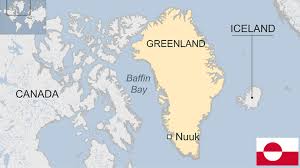

U. S. Secretary of State Marco Rubio is set to meet with his Danish and Greenlandic counterparts amid ongoing tensions regarding Greenland’s independence aspirations. Greenland has been moving toward independence since 1979, which has become more apparent following President Donald Trump’s provocative comments about potentially seizing the territory. Denmark’s appeal for European support highlights a difficult situation where it is defending a territory whose populace desires independence, and the largest opposition party in Greenland seeks direct negotiations with the U. S.
Experts suggest that Denmark risks losing its geopolitical relevance in the Arctic, a region vital for U. S. missile defense, if Greenland chooses to pursue independence or enter its own agreements with Washington. The stakes for Denmark also involve broader European concerns, as relinquishing Greenland could embolden other powers to challenge smaller nations’ territories, disrupting the post-1945 global order. Danish and Greenlandic leaders have publicly stated that the sovereignty of nations should be respected and that Greenland rightfully belongs to its people.
Currently, the Trump administration indicates that it may consider a range of actions regarding Greenland, including forceful options. Some Danish scholars note that public outrage over Trump’s remarks has overshadowed discussions on the actual value of maintaining control over Greenland, suggesting a surge in national pride at the expense of pragmatic debate. Historically, Greenland’s strategic position benefitted Denmark, allowing for lower defense costs during the Cold War, a situation colloquially termed “the Greenland Card. “
Greenland’s push for self-determination has continually evolved since it gained more autonomy in 1979, with a 2009 agreement affirming its right to independence. All political parties in Greenland support independence but differ on approaches and timelines. Trump’s pressure has ignited discussions about Denmark’s financial responsibilities, including substantial annual grants and defense spending that total nearly $1 billion.
While some commentators urge that Denmark’s ties to Greenland are more than just financial, rooted in shared history and culture, others express concern about the sustainability of the relationship, especially as Denmark faces pressure to support its own national interests while nurturing its alliance with the U. S. Prime Minister Frederiksen is navigating a complex situation, balancing diplomatic credibility with the need to maintain a positive relationship with the U. S., particularly amidst rising threats from Russia. As Greenland’s independence desires become more pronounced, there is uncertainty about the future of this connection.