Geostrategic Media Political Commentary, Analysis, Security, Defense


The re-imposition of U. N. sanctions on Iran, lifted under a 2015 nuclear deal, has prompted Western powers to rethink their strategy for managing Iran’s nuclear program, according to diplomats and analysts. European nations France, Britain, and Germany, collectively known as the E3, expected that the snapback threat would lead Iran to comply with demands, such as allowing U. N. nuclear inspectors back into facilities that were attacked by Israel and the U. S. in June, and resuming discussions with the U. S. about its atomic activities. However, the E3 determined that Iran had not met their requirements in time, which resulted in the snapback taking effect.
A hardline Iranian lawmaker highlighted the situation, stating that once the snapback mechanism is activated, the West would lose its leverage, as they would be out of options. Western diplomats argue that the U. S. and the E3 could still offer to lift these sanctions but acknowledge that this process is complicated and unlikely to yield immediate results. Experts suggest that while U. S. bombing operations have hindered Iran’s nuclear progress, they have not fully resolved the issue, and Iran remains unwilling to negotiate on U. S. terms.
The reinstated sanctions mandate Iran to halt all enrichment activities and prohibit imports that could aid its nuclear developments. Additionally, an arms embargo will be reinstated, along with various targeted sanctions. The original 2015 agreement had limited Iran’s nuclear activities in exchange for eased sanctions, but the situation deteriorated after the U. S. withdrawal in 2018 and subsequent actions taken against Iranian facilities.
With the snapback now active, Iran plans to respond diplomatically, potentially reducing its cooperation with the International Atomic Energy Agency (IAEA) amidst calls for clarification on its enriched uranium stockpiles. A senior Iranian official indicated that the relationship with the IAEA would be reassessed, potentially leading to stricter inspection requirements.
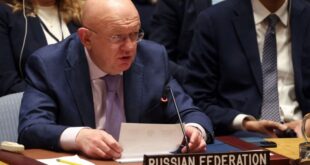
E3 diplomats have stated they would revert to their long-established strategy of combining pressure with dialogue. However, geopolitical divisions among major powers have complicated efforts to compel Iran into an agreement. Russia and China attempted to block the snapback at the U. N. Security Council, but their efforts were unsuccessful. An Israeli official commented that they have no immediate reason for military action against Iran unless there are clandestine advances in its nuclear program.
The situation is expected to remain tense and protracted, with increasing uncertainty about Iran’s nuclear activities as IAEA inspections are hindered. An expert noted that Iran’s nuclear program has become a significant leverage point, and any attempts to advance it undetected could exacerbate international concerns about its intentions.