

 Geostrategic Media Political Commentary, Analysis, Security, Defense
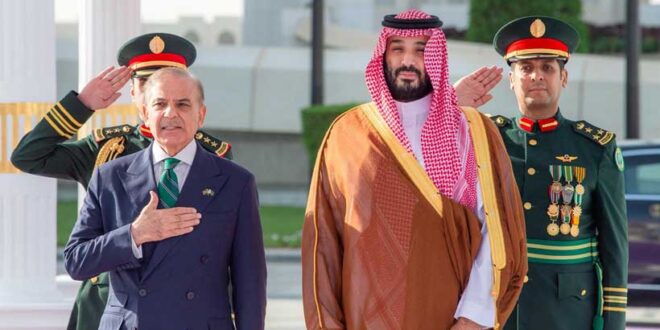

Pakistan, Saudi Arabia, and Turkey have prepared a draft trilateral defense agreement after nearly a year of talks, according to Pakistan’s defense production minister, signaling a move to create a new regional security bloc independent of Western alliances. While Turkish officials confirmed talks but said no deal has been signed, the potential pact aims to build a cooperative platform to counter instability, terrorism, and external “hegemonies” in a volatile region.
WHAT HAPPENED
- Pakistan’s Minister for Defence Production, Raza Hayat Harraj, stated that a draft defense agreement between Pakistan, Saudi Arabia, and Turkey is “already in pipeline” after ten months of deliberation.
- The proposed trilateral deal is separate from an existing Saudi-Pakistani bilateral accord, with the draft currently under review by all three governments pending final consensus.
- Turkish Foreign Minister Hakan Fidan confirmed talks had been held but clarified no agreement has been signed, framing the discussions as part of President Erdogan’s vision for an inclusive regional security platform.
- Fidan emphasized the need for broader regional cooperation to overcome distrust that leads to external intervention, terrorism, and instability.
WHY IT MATTERS
- This represents a significant step toward formalizing a non-Western, Muslim-majority security axis, potentially creating a NATO-like structure for the Middle East and South Asia that operates outside U.S. or Chinese orbits.
- The alliance directly addresses the three nations’ shared security anxieties: Pakistan’s tension with India, Saudi Arabia’s rivalry with Iran, and Turkey’s conflicts with Kurdish groups and its strained NATO relations.
- It signals a strategic pivot by these U.S. security partners (Pakistan and Turkey are treaty allies; Saudi Arabia is a major arms client) to develop independent collective defense capabilities, reducing reliance on American security guarantees.
- The agreement’s decade-long drafting period suggests it is a deliberate, strategic response to recent regional flare-ups, including the Iran-Israel war and the Afghanistan withdrawal, aiming to provide a stable regional counterweight.
IMPLICATIONS
- A finalized pact could lead to joint arms production, intelligence fusion, and contingency planning, directly challenging Iran’s regional network and potentially altering the balance of power in conflicts from Yemen to Kashmir.
- It may force the U.S. to reassess its alliances, particularly with Turkey (a NATO member) and Pakistan, if the new bloc adopts positions contrary to Washington’s interests, especially regarding Iran or China.
- The alliance could isolate Iran further, pressuring it to either escalate its own military partnerships with Russia and China or seek diplomatic accommodation with its newly unified neighbors.
- It introduces a new variable into great power competition, offering an alternative regional order that neither the U.S.-led system nor the China-Russia axis fully controls, potentially attracting other Muslim nations like Egypt or Indonesia.


