February 12, 2026
Africa, Analysis, Briefs, Economics, Europe, Geopolitics, Middle East, Military & Security, NEWS, Op-ed, OPINION, Society
Contrary to popular belief, colonialism did not end with the mid-century independence wave. Instead, it took on novel (‘neo’) and more subtle disguises such as financial institution control, labour exploitation and, perhaps most importantly, constant resource extraction. It is no secret that rare minerals are largely sourced from …
Read More »
February 12, 2026
Americas, Analysis, Asia Pacific, Briefs, Economics, Europe, Geopolitics, Middle East, Military & Security, NEWS, Op-ed, OPINION, Society
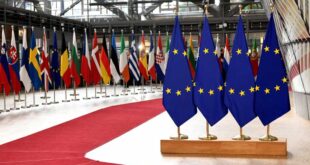
European Union leaders are meeting at Belgium’s 16th-century Alden Biesen castle for an informal “retreat” aimed at confronting a growing strategic concern: how to prevent the bloc from falling further behind the United States and China economically. The EU faces mounting external pressure from U.S. trade measures under …
Read More »
February 12, 2026
Africa, Americas, Analysis, Asia Pacific, Briefs, Economics, Europe, Geopolitics, Middle East, Military & Security, NEWS, Op-ed, OPINION, Russia-CIS, Society
Fareena Habib On 10 January, China, Russia, and Iran launched joint BRICS Plus naval exercises in the strategic waters of South Africa. It is being marked as a significant display of military cooperation among countries increasingly aligned against the policies of the administration of President Donald Trump. The …
Read More »
February 12, 2026
Americas, Analysis, Briefs, Economics, Europe, Geopolitics, Middle East, Military & Security, NEWS, OPINION, Society
The world faces an immediate strategic challenge because global energy demand currently rises at a faster rate than previously expected. The recent developments in Venezuela’s oil exports, combined with China’s changing energy consumption and the United States’ renewed control of heavy crude from Caracas, all point to a …
Read More »
February 12, 2026
Americas, Analysis, Briefs, Economics, Geopolitics, Middle East, Military & Security, NEWS, Op-ed, OPINION, Society
Gbriel Rhodes For three hours on January 28th, US Secretary of State Marco Rubio testified in front of the Senate Committee on Foreign Relations, responding to senators’ crossfire questions ranging from drug-busting actions in the Caribbean Sea to the American military operation in Venezuela that captured Nicolás Maduro …
Read More »
February 4, 2026
Americas, Analysis, Briefs, Economics, Geopolitics, Middle East, Military & Security, NEWS, Op-ed, OPINION, Society
Joshua Yaphe The Middle East conflicts that the administration thought it had resolved are still simmering, and without sustained US attention, these victories may be transformed into defeats. The Donald Trump administration has achieved notable successes in asserting American dominance on the world stage, and it is likely …
Read More »
February 4, 2026
Analysis, Briefs, Economics, Geopolitics, Middle East, NEWS, Op-ed, OPINION, Society
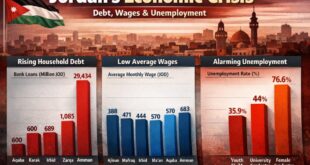
Dr. Shehab Al-Makahleh Jordan is no longer approaching an economic crossroads—it is standing squarely in the middle of it. From Aqaba in the south to Irbid in the north, the numbers tell one unbroken story: a society increasingly surviving on debt, not building through opportunity. What we are …
Read More »
February 4, 2026
Analysis, Briefs, Economics, Europe, Geopolitics, Middle East, Military & Security, NEWS, Op-ed, OPINION, Russia-CIS, Society
In our current geopolitical landscape, one could argue that Thucydides would find little to surprise him. The arrogance of great powers and the chaotic disorder defining international relations are familiar themes from his work, “The History of the Peloponnesian War.” Thucydides famously illustrated the absence of a central …
Read More »
February 4, 2026
Americas, Analysis, Asia Pacific, Briefs, Economics, Europe, Geopolitics, Middle East, Military & Security, NEWS, Op-ed, OPINION, Russia-CIS, Society
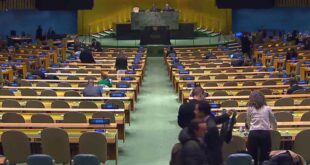
U. N. Secretary-General Antonio Guterres has raised serious concerns about the financial health of the United Nations, warning of an “imminent financial collapse” due to unpaid fees and a budget rule that requires the U. N. to return unspent funds. His warning highlights a worsening liquidity crisis, particularly …
Read More »


 Geostrategic Media Political Commentary, Analysis, Security, Defense