Geostrategic Media Political Commentary, Analysis, Security, Defense
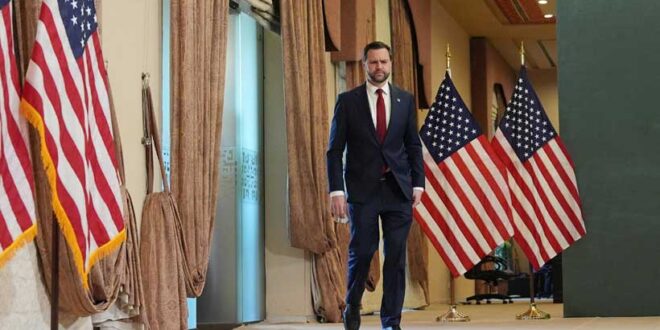

The U. S. and Iran did not reach an agreement to end their ongoing war after lengthy talks in Islamabad, which raised concerns about the ceasefire. Each side blamed the other for the failure of the 21-hour negotiations, which have resulted in numerous casualties and increased global oil prices over the past six weeks. U. S. Vice President JD Vance stated that Iran’s decision not to accept American terms, particularly regarding nuclear weapons, was detrimental for them. He emphasized the U. S. goal of ensuring Iran would not pursue nuclear capabilities.
These talks marked the first direct meeting between U. S. and Iranian officials in over ten years and were the highest-level discussions since the Islamic Revolution in 1979. Iranian media reported that U. S. demands were seen as excessive, with the main points of contention being the Strait of Hormuz and Iran’s nuclear program. An Iranian spokesperson mentioned that the negotiations occurred in a context of mistrust, making it unrealistic to expect an agreement in just one session.
Pakistan’s Foreign Minister Ishaq Dar highlighted the importance of maintaining a two-week ceasefire established earlier in the week, as hostilities began on February 28. Israeli Minister Zeev Elkin indicated that more talks were possible but cautioned that Iran was in a tenuous position. Vance had frequent discussions with President Donald Trump during the talks, yet Trump remarked that reaching a deal was not essential since the U. S. had already won.
The U. S. delegation consisted of other notable figures, while Iran’s team included high-ranking officials. Reports indicated fluctuations in the mood during the talks, which began on Saturday and continued into Sunday. A senior Iranian official claimed progress was made on issues like the release of frozen assets; however, a U. S. official denied this.
Iran is demanding several conditions, such as control over the Strait of Hormuz, reparations, and a regional ceasefire, including in Lebanon, where fighting continues. Three oil-laden supertankers left the Strait of Hormuz since the ceasefire, while others remained stranded. Trump’s objectives continue to change, but he insists on securing free passage through the strait and preventing Iran from developing nuclear weapons. Iran has consistently denied an interest in building nuclear arms. Meanwhile, Israeli forces continued to target Hezbollah militants in Lebanon, complicating the situation as Iran’s insistence on halting fighting in Lebanon contrasts with ongoing conflict.