Geostrategic Media Political Commentary, Analysis, Security, Defense
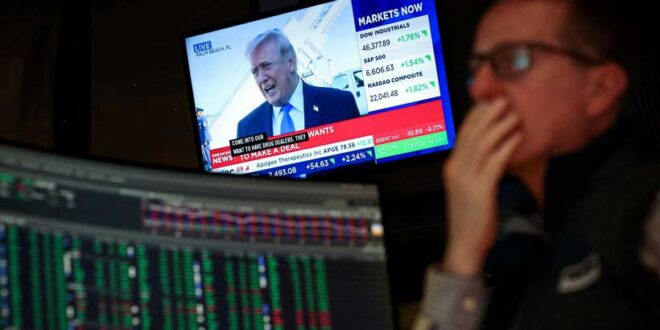

Global bond markets might recover slightly but are not expected to fully bounce back from the selloff caused by the war, mainly because energy prices and inflation are expected to remain high for an extended period. A ceasefire between the U. S. and Iran was apparently negotiated late on Tuesday, with President Donald Trump announcing a two-week pause in attacks, which is dependent on reopening the Strait of Hormuz and ensuring safe passage for ships. This announcement led to a drop in oil prices and a rally in stocks and bonds. However, expectations for interest rate cuts in places like the U. S., Britain, and Norway have diminished and are unlikely to return, leading some to believe that the ceasefire could push rates higher due to a reduced risk of severe oil shortages affecting global growth.
The energy crisis has highlighted inflation issues, indicating that major economies have struggled to bring inflation back to target levels for years. The FTSE World Government Bond Index fell over 3% in March, marking its biggest decline in 1.5 years. Central banks’ outlooks may have shifted due to recent events, as inflation has remained persistently high. Energy security uncertainty persists, with oil prices hitting record highs amid tight supply. According to a survey, two-thirds of central banks view geopolitical tensions as the biggest risk.
Central banks in India and New Zealand maintained their key policy rates at 5.25% and 2.25%, respectively, but indicated future rate hikes could be necessary if inflation expectations rise significantly. Markets reacted positively to the ceasefire, causing stocks to rise and the dollar to fall, while Brent crude futures dropped below $100. Despite the rally, yields returned to mid-March levels. Analysts predict that while stocks could continue to rise if peace holds, short-term yields may remain stable since central banks have limited capacity to cut rates.
In Japan, the ceasefire eases concerns over energy supply and may set the stage for the Bank of Japan to raise rates soon. Global investment banks are also retracting previous calls for Chinese rate cuts this year. Although there is potential for some bond recovery after heavy selling in March, policymakers are shifting away from rate cuts in light of reduced recession risks, as indicated by comments from India’s central bank governor noting that “risks are on the upside. “