Geostrategic Media Political Commentary, Analysis, Security, Defense
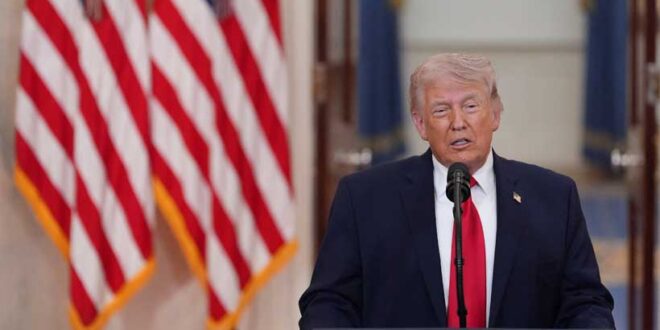

The latest Reuters/Ipsos poll paints a stark picture: the approval rating of Donald Trump has fallen to 34%, the lowest point of his current term. What began in January 2025 with a relatively solid 47% approval has eroded steadily, revealing not just political volatility, but a deeper crisis of confidence among Americans.
At the heart of this decline are two forces that historically define presidencies: the economy and war. On the economic front, the numbers are unforgiving. Only 22% approve of Trump’s handling of the cost of living, a devastating figure in a country where inflation and daily expenses shape voter sentiment more than abstract policy debates. Rising fuel prices—driven in part by disruptions linked to the war with Iran—have translated geopolitical decisions into kitchen-table anxiety.
Foreign policy, meanwhile, has become a liability rather than a rallying point. Traditionally, wartime presidents benefit from a “rally around the flag” effect. But in this case, the conflict with Iran appears to be doing the opposite—fueling public skepticism and dragging down approval ratings rather than boosting them. This suggests not only dissatisfaction with the war itself, but also doubts about its purpose, cost, and endgame.
Compounding the political turbulence is an atmosphere of instability at home. The attempted assassination at the White House Correspondents’ Dinner—though occurring after most poll responses were collected—adds to a broader sense of national unease. Even if it does not immediately shift polling numbers, it underscores a volatile domestic environment surrounding the presidency.
What makes this moment particularly significant is not just the low approval rating, but the trendline. From 47% to 34% in little over a year, the trajectory signals sustained erosion rather than a temporary dip. Even within Trump’s political base, cracks are beginning to show, especially around economic management—traditionally one of his strongest selling points.
This raises a critical question: Is this a policy problem or a perception problem? If it is policy, the administration faces the difficult task of recalibrating both economic strategy and foreign engagement. If it is perception, then communication and political framing may become just as important as policy itself. In reality, it is likely both.
The broader implication is clear. Approval ratings at this level are not just numbers—they are political constraints. They shape legislative leverage, influence midterm dynamics, and signal to both allies and adversaries how much domestic support a president truly commands.
For now, the message from the electorate is unmistakable:
Americans are not simply uneasy—they are losing confidence.
And in politics, confidence is often the first casualty of prolonged crisis.