

 Geostrategic Media Political Commentary, Analysis, Security, Defense
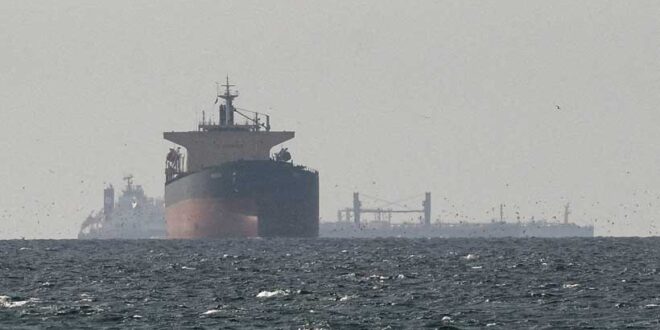

Nearly six weeks of war in Iran have ended with President Trump claiming victory, but the ceasefire has solidified the power of Iran’s radical government, which controls the Strait of Hormuz, a key shipping route for global energy. Analysts believe this conflict will be seen as a major strategic mistake for Trump, reshaping the Middle East in unexpected ways. Before the war, Iran monitored the Strait without asserting full control, but now it effectively dictates terms for shipping, seeking to charge ships for safe passage.
Despite suffering extensive damage from U. S. and Israeli attacks, Iran’s leadership remains strong and has shown resilience, continuing its influence in Lebanon and Iraq through groups like Hezbollah and Shi’ite militias. Questions have been raised about the effectiveness of the war, as it has not led to regime change, the surrender of the Islamic Republic, or a containment of Iran’s nuclear ambitions and regional support.
U. S. officials, including Defense Secretary Pete Hegseth, claim military success against Iran, asserting that its missile program has been largely destroyed. However, while a two-week ceasefire has been agreed upon, there are concerns about the long-term sustainability of peace in the region. Gulf officials warn that without addressing deeper conflicts, the ceasefire might merely cement Iranian leverage instead of limiting it.
Analysts believe that this ceasefire is a fragile pause that could lead to more instability if it does not evolve into a broader agreement. They emphasize that any deal failing to address critical issues like ballistic missiles, nuclear concerns, and Iran’s influence in Hormuz would leave the conflict unresolved and the region vulnerable. Iran has proposed terms for negotiation, which include sanctions relief and control over the Strait, highlighting the significant divide between the U. S. and Iran.
Gulf nations, reliant on the Strait for oil exports, view any outcome that leaves Hormuz under Iranian control as a defeat for Trump, which could impact energy prices leading up to the midterm elections. The war has heightened mistrust of Iran, particularly after its attacks on regional energy sites, and analysts express alarm that Hormuz is now a tool for Iranian coercion.
Moreover, should Iran charge fees for ships passing through Hormuz, it would have major implications for both regional and global economies. The conflict is changing the nature of the Strait from an area governed by international norms to one potentially controlled by a hostile state benefitting from the war.
The ceasefire, brokered by Pakistan, follows a war initiated on February 28 by Trump and Israeli Prime Minister Netanyahu, who aimed to limit Iran’s power and dismantle its nuclear program. Both sides claimed victory, but the war did not eliminate Iran’s stockpile of weapons-grade uranium or its missile capabilities. Iranian leadership has withstood the conflict without signs of collapse.
Moving forward, restoring trust with Iran will require formal commitments on non-interference, freedom of navigation, and security for maritime routes like Hormuz, as emphasized by Gulf sources. These demands were shared with Pakistani mediators for inclusion in any future settlements. Israel has been assured that previous conditions will still be upheld concerning Iran’s nuclear material and missile programs. Iranian and U. S. delegations are expected to meet in Islamabad for official peace talks, marking the first discussions since the conflict began.


